 Featured article
Real Estate Insights: The Soul of North Beach
Evaluating residential real estate in San Francisco requires looking far beyond square footage, floor plans, and bedroom counts. Buyers frequently choose a location based on intangible factors: the aroma of espresso drifting onto the sidewalk at seven in the morning, the baker who knows regular patrons by name, and the presence of shared community spaces that bring neighbors out of their homes. When commercial corridors thrive on independent shops and authentic culinary heritage, residential property values nearby benefit from enduring stability.
The Link Between Food Culture and Residential Value
Urban planners and property analysts have long observed that commercial vibrancy anchors residential demand. A neighborhood with an active mix of bakeries, small markets, and casual gathering spots creates an ecosystem where residents spend their disposable income locally, reducing vehicular dependence and elevating quality of life. This daily foot traffic fosters public safety, supports municipal services through local tax bases, and establishes a clear micro-identity that differentiates one zip code from another.
In competitive housing markets, buyers pay premiums for high Walk Score ratings and proximity to established culinary centers. Homes located within a five-minute stroll of beloved neighborhood cafes consistently command stronger retention values during market downturns than units in purely residential zones that lack retail vitality. Commercial districts that avoid generic corporate chains preserve an authentic sense of place, creating persistent buyer competition for the Victorian and Edwardian flats situated along adjacent residential streets.
North Beach as an Architectural and Culinary Anchor
North Beach stands as one of the clearest representations of this dynamic in Northern California. Bounded by Telegraph Hill, Chinatown, and Fisherman's Wharf, the district retains deep Italian-American roots that continue to define its commercial storefronts along Columbus Avenue, Stockton Street, and Green Street. Generational businesses operate alongside newer culinary ventures, creating a commercial balance protected by municipal zoning that restricts formula retail.
This municipal protection directly impacts property appeal. Because chain stores cannot easily displace family-run trattorias or independent espresso bars, the area maintains historic architectural facades and pedestrian-scale interactions. Prospective homeowners who tour properties around Washington Square Park or along Vallejo Street frequently cite the ability to walk downstairs for morning focaccia or an evening glass of wine as a primary motivation for purchasing in the district.
Community Gatherings and Local Visibility
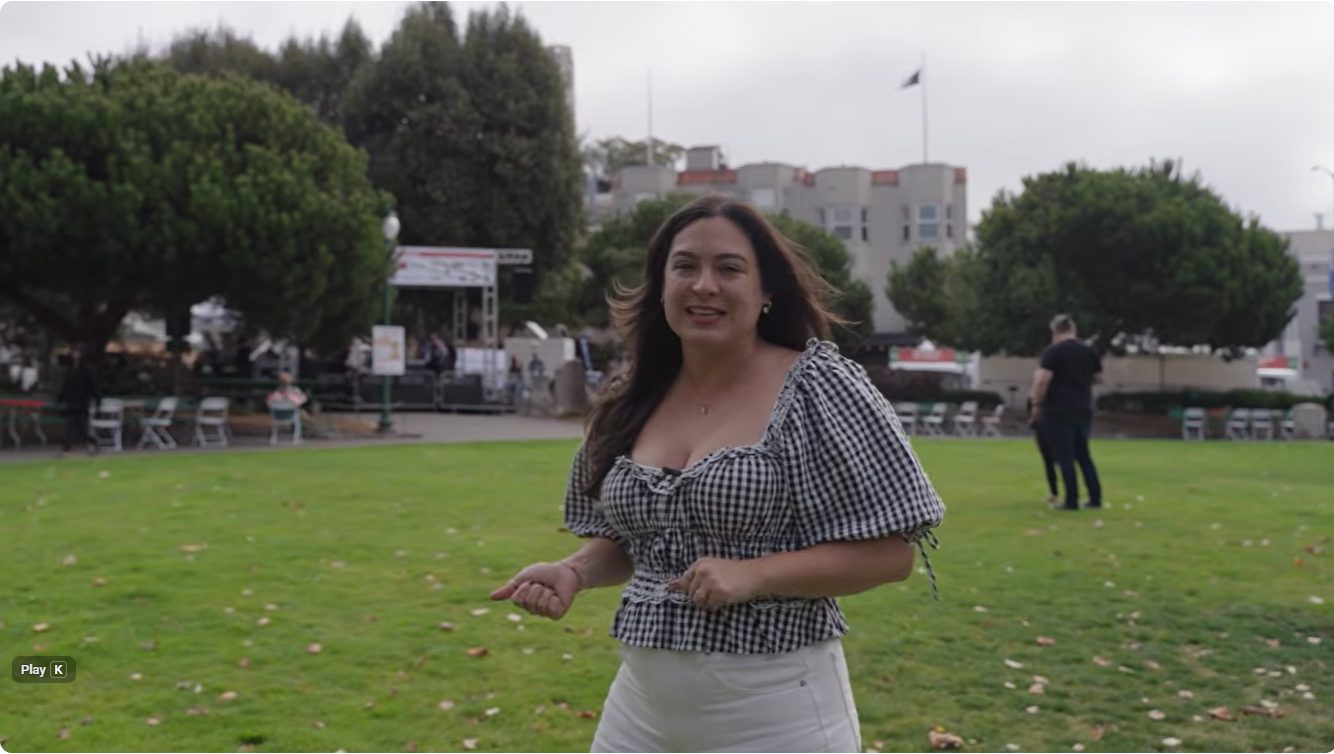
During production for my third episode of The American Dream TV, I met up with fellow host Stef Anderson of @sideofstef at the San Francisco Pizza, Bagel & Beer Festival. Events like this do more than provide an afternoon of food sampling; they act as public showcases…

Talk to a Telegraph Hill expert
Get answers from a local agent who actually knows these streets — schools, commute, the works.