 Featured article
“Buy Now, Refinance Later? Read This First.”
For the past several years, prospective homebuyers have heard the same advice: Buy the home now. You can always refinance when mortgage rates come down. It sounds reasonable. Find the right home, accept today’s interest rate and replace the loan later when borrowing becomes cheaper. But there is a problem with that strategy. Nobody can guarantee when rates will fall, how far they will fall or whether an individual homeowner will qualify to refinance when that opportunity arrives. On July 16, 2026, the average 30-year fixed mortgage rate reached 6.55%, according to Freddie Mac. That was the highest weekly average since August 2025 and an increase from 6.49% one week earlier. That does not mean buying a home today is automatically a bad decision. It means buyers need a better strategy than simply hoping they can fix an uncomfortable payment later. When someone recommends buying now and refinancing later, they are making several assumptions: Any one of those conditions can change. The Consumer Financial Protection Bureau specifically warns that the ability to refinance depends on a borrower’s future financial situation, the property’s value and market conditions. Refinancing also typically involves new closing costs and fees. That is why a refinance should be viewed as a potential future opportunity, not a financial rescue plan. Here is the simplest test I give buyers: When the answer is yes, the buyer may have a sustainable plan. When the answer is no, the buyer is not really purchasing based on today’s numbers. They are purchasing based on a prediction. That is dangerous. A mortgage payment should leave room for the rest of your life, including: Qualifying for the loan does not automatically mean the payment is comfortable. A lender determines whether you meet its underwriting requirements. You still have to decide whether the payment supports the life you want to live. Consider a hypothetical $600,000, 30-year mortgage. At 6.55%, the monthly principal-and-interest payment would be approximately $3,812. At 5.75%, that payment would be approximately $3,501. That is a difference of roughly $311 per month, before property taxes, insurance, HOA dues or other expenses. A future refinance could therefore create meaningful savings. But that example does not include refinancing fees, lender costs or the amount of time required to recover those costs through the lower payment. It also does not mean rates are guaranteed to reach 5.75%. The calculation shows why refinancing can be valuable. It does not prove that buyers should depend on it. Higher mortgage rates have pushed some buyers to the sidelines. That has also created opportunities for people who remain financially prepared. During the week ending July 11, active housing inventory remained above 1.1 million properties nationally for the fourth consecutive week, the longest such streak since November 2019. Median asking prices were 2.3% lower than one year earlier, and more than 100,000 price…

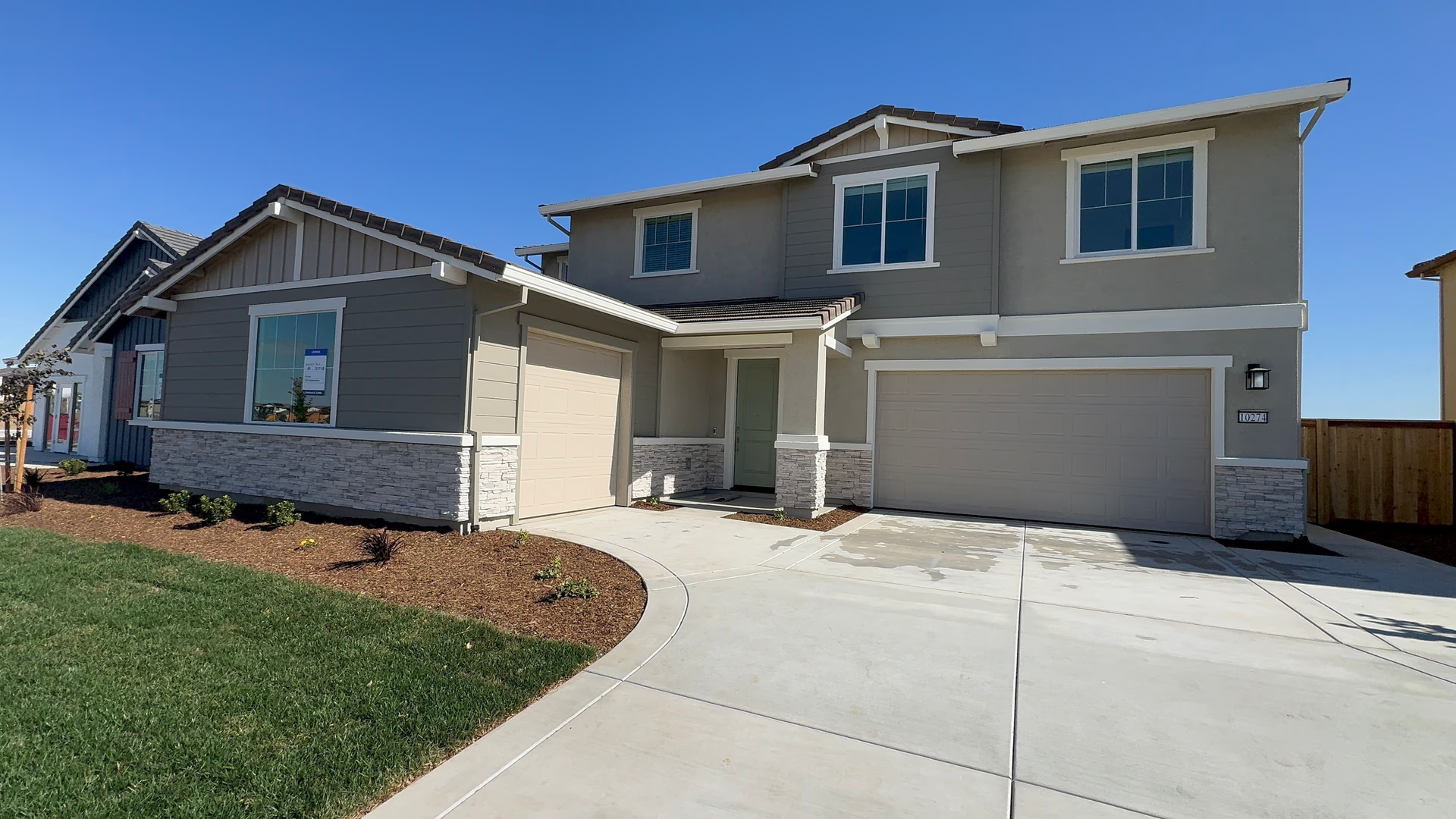
What the Elk Grove housing market actually looks like right now — no spin, June 2026
Every week I get some version of the same question: "Is now a good time to buy?" Or its mirror: "Should I wait to sell?" And every week I give the same honest answer — it depends on your situation, not the headline. But that doesn't mean the market data is irrelevant. It means you need to read it correctly. And right now in Elk Grove, the data is telling a specific story that most people — and most national articles — are getting wrong. The narrative says "cooling market." The Altos Research numbers from May 31, 2026 say something more nuanced. So let me break it down the way I'd explain it to a client sitting across from me. No hype. No doom. Just what's real. Where the Numbers Stand - May 31, 2026 (Source: Altos Research + MLS) -Median List Price $661,445 Altos Research · May 31, 2026 -New Listing Median $697,000 Trending up — Altos May 2026 -Price Per Sq Ft $314 Altos Research · May 2026 -Avg Days on Market 68 Up from ~31 days last year Market Action Index 45 Strong Seller's Market Threshold Active Inventory 266 Up — more choices for buyers The headline number that surprises most people: this is still a seller's market. Let's start with the Market Action Index — the number most buyers and sellers never see but should. As of May 31, 2026, Elk Grove's MAI sits at 45, up from 44 last month. Altos Research classifies anything above 30 as a seller's market. At 45, Elk Grove is sitting firmly in "Strong Seller's Market" territory. That's likely not what you'd expect given everything you've heard about rising inventory and longer days on market. But here's the distinction that matters: inventory going up doesn't automatically flip a market to buyers. It depends on the rate of sales relative to supply. In Elk Grove, demand is still absorbing new listings faster than a true buyer's market would allow. The MAI is the clearest single number that captures that balance — and right now it favors sellers. The Important Caveat From Altos The MAI has been trending down over time. If it drops below 30 and stays there, expect meaningful downward pressure on prices. Watch that number closely. It's a leading indicator, not a lagging one. "The market has been cooling over time and prices have plateaued. Despite the consistent decrease in MAI, we're in the Seller's zone. Watch for changes in MAI." — Altos Research, May 31, 2026 The Days-on-Market Shift Is Real — and It Changes the Negotiation Game Here's the data point that buyers should be paying closest attention to: average days on market in Elk Grove has climbed to 68 days. The median is 42. For context, a year ago homes were going pending in roughly 21–31 days. That's more than a doubling of market time in some segments. What does that mean in practice? It means the frantic 72-hour offer window is gone for most properties. Buyers have time to do a proper inspection, walk the neighborhood at different hours, run their real numbers, and negotiate from a more informed position. For sellers, it means pricing right…


Buying a Home After Becoming a Healthcare Professional: What to Know About Starting Your Next Chapter in Elk Grove or Sacramento
Starting a healthcare career can feel like the beginning of an entirely new chapter. After years of education, clinical training, exams, and long hours, finally entering the profession can bring a greater sense of financial independence. For many nurses, doctors, therapists, technicians, and other healthcare professionals, homeownership eventually becomes one of the next major goals. But transitioning from student or trainee to working professional doesn't automatically mean you're ready to purchase a home. The right preparation can make the difference between simply qualifying for a mortgage and being genuinely comfortable with homeownership. Your first professional paycheck may look very different from what you earned during training. You may now have a full-time salary, overtime opportunities, shift differentials, bonuses, or other forms of compensation. Before making a major purchase, take some time to understand what your normal monthly income actually looks like. This can help you determine a housing payment that feels sustainable rather than basing your budget on your highest possible paycheck. For many healthcare professionals, education comes with significant student debt. Student loans don't necessarily prevent you from buying a home, but they are part of your overall financial picture. Before beginning your home search, understand your monthly obligations and how they may affect your mortgage qualification and personal budget. A lender can help explain how your specific debt situation may be evaluated. A new career can make it tempting to immediately upgrade your lifestyle. Before committing to a home, consider building a financial cushion. You may need funds for a down payment, closing costs, inspections, moving expenses, and unexpected repairs. Maintaining an emergency fund after closing is also important. Owning a home should give you stability—not leave you with no financial room for surprises. Early in a healthcare career, your first job may not be your permanent position. You might change hospitals, move into a specialty, pursue additional education, or eventually take a leadership role. That means your workplace today shouldn't be the only factor determining where you buy. Consider whether the location provides reasonable access to other employment opportunities throughout Elk Grove and Sacramento. It's easy to buy more house than you actually need. If you're purchasing your first home as a single professional, you may not need four bedrooms and a huge backyard. On the other hand, you may want an extra room for a home office, guests, or future needs. Think carefully about how you'll use the space. The best first home isn't necessarily the biggest one. It's the one that fits your lifestyle without creating unnecessary financial pressure. Your choice between Elk Grove and Sacramento should come down to what works best for your career and lifestyle. Elk Grove may appeal to buyers who want suburban neighborhoods, newer communities,…


Buying a Home Near Work: How Healthcare Professionals Can Choose the Right Neighborhood in Elk Grove and Sacramento
Healthcare professionals often juggle schedules that stretch beyond the typical 9-to-5 workday. For nurses, doctors, and medical staff in Elk Grove and Sacramento, selecting the right neighborhood to buy a home involves more than just price or size. Your shifts, commute, and lifestyle play crucial roles in making a home that truly supports your demanding career. Based on my experience working with healthcare buyers, this article unpacks the local nuances of Elk Grove and Sacramento real estate to help you make an informed, practical choice. Unlike many other professions, healthcare roles often require long hours, overnight shifts, and unpredictable schedules that can impact everything from sleep to family time. Living near your workplace becomes a significant advantage when you must rest between shifts or respond quickly to emergencies. For example, a nurse working a night shift at Mercy Hospital in Sacramento will benefit immensely from cutting down commute time to catch a few more hours of sleep. On the other hand, some healthcare professionals prioritize space or community amenities, accepting longer commutes to fulfill personal or family needs. In Elk Grove and Sacramento, the proximity to major medical centers like UC Davis Medical Center, Sutter Health facilities, and Kaiser Permanente influences neighborhood desirability for healthcare workers, but the best choice depends heavily on your individual schedule and lifestyle preferences. Elk Grove offers a more suburban environment with newer developments, generally larger homes, and quieter neighborhoods. For healthcare professionals who value a spacious home environment for family life or who want to avoid the urban bustle after a long shift, Elk Grove delivers. Neighborhoods like Laguna Ridge or Sheldon have good access to Highway 99, making commutes to Sacramento’s medical centers manageable. However, expect slightly longer travel times, especially during peak hours. Sacramento, by contrast, offers a wider range of housing options closer to hospitals and clinics. Areas such as Midtown, East Sacramento, and Land Park put you within 10 to 20 minutes of major healthcare facilities. This proximity is especially beneficial for overnight or split shifts where every minute of rest counts. The tradeoff can be smaller home sizes and higher prices, but for many healthcare workers, the convenience outweighs these factors. For example, a respiratory therapist working at Sutter Medical Center will find Midtown Sacramento’s walkable neighborhoods appealing for quick access to work, local cafes, and parks for decompressing after shifts. Conversely, a physician with a family might lean toward Elk Grove’s family-friendly schools and larger yards, even if it means a 25-30 minute commute. Healthcare workers should carefully evaluate how commute length impacts their daily routine. Shorter commutes mean more time for rest, family, or personal care, essential for managing high stress and irregular hours. For…
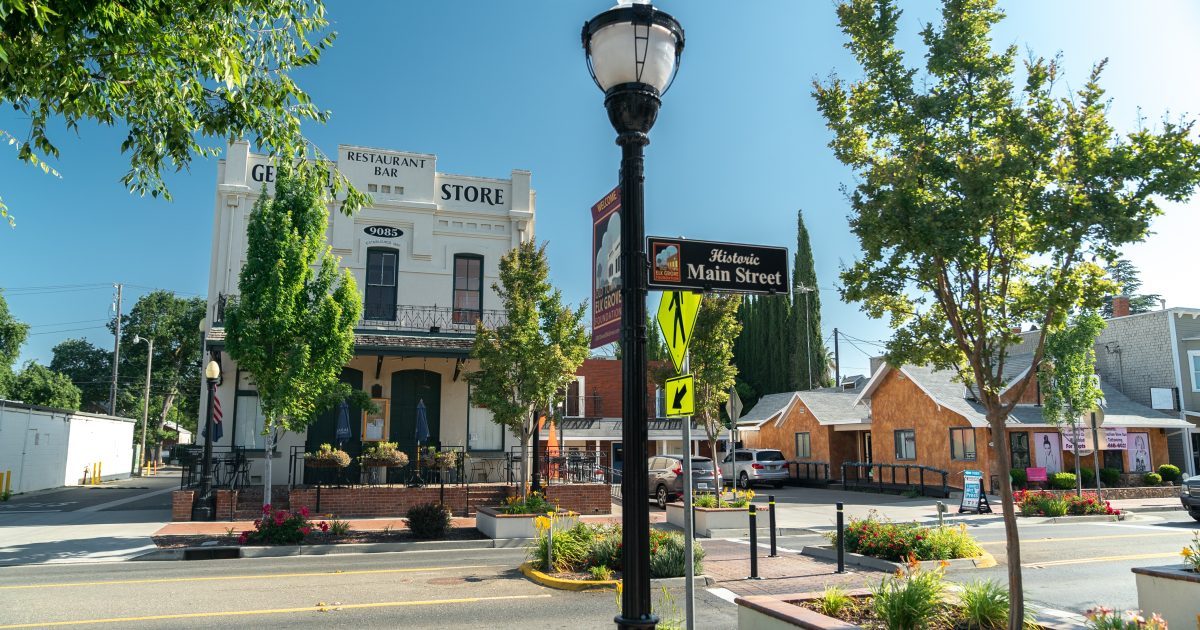
Elk Grove Corporate Relocation Guide: Navigating Record-High Rent, Market Trends, and Housing Allowances
Relocating to Elk Grove for work offers many advantages, from its established neighborhoods to newer master-planned communities and proximity to Sacramento employers. However, Elk Grove’s housing market presents a complex landscape for corporate transferees and HR managers designing relocation packages. Understanding current home prices, rental costs, inventory shifts, mortgage rates, and lease terms is essential to crafting benefits that truly support a smooth, successful move. Typical corporate relocation questions often focus on movers’ costs, house-hunting trips, or temporary housing coverage. In Elk Grove’s evolving market, the critical concern is whether the package provides enough time and flexibility for transferees to find the right home without being forced into costly decisions due to pressure or limited options. Elk Grove is one of the Sacramento region’s most sought-after suburban destinations, attracting many relocating employees. This popularity affects both the rental and purchase markets. Rental options have expanded but at elevated prices. Buyers now enjoy more negotiating power than during peak competition years, yet high mortgage rates continue to inflate monthly payments. This two-speed market requires local knowledge and careful timing to navigate successfully. As of mid-2026, the typical Elk Grove home sells for the low-to-mid $600,000 range. Redfin reports a median sale price around $625,000 for the three months ending June 2026, marking a 4.4% decline compared to the prior year. Homes are selling in an average of 22 days, slightly faster than the 24-day pace a year earlier. These trends suggest a market that is more balanced and selective, rather than distressed. real estate agent.com lists median asking prices near $640,000, highlighting a notable gap between listing and closing prices. This gap underscores the importance for buyers to budget based on final sale prices, which fluctuate due to property condition, neighborhood factors, seller motivation, and negotiated credits or financing terms. Mortgage rates pose a significant affordability challenge. On August 13, 2026, Freddie Mac reported the average 30-year fixed mortgage rate at 6.67%. Even with modest price softening, rates at this level keep monthly ownership costs elevated, pressuring transferees’ budgets. For transferees, Elk Grove offers more room to negotiate but not unlimited time. Well-priced desirable homes still move quickly. Relocation packages granting only a short home-search window risk forcing employees into unsuitable housing choices or out-of-pocket temporary housing expenses. Rental market data varies widely depending on source and property types included. Elk Grove’s rental landscape includes apartments, single-family homes, condominiums, townhomes, studios, and furnished units. Transferees often seek three- or four-bedroom houses rather than apartments, making average rental figures sometimes misleading. Zillow reports an overall average rent of…

Talk to a Elk Grove expert
Get answers from a local agent who actually knows these streets — schools, commute, the works.
Contributors
 Joseph Lee
Real Estate Agent · Dream Real Estate Group
DRE #01178873
Joseph Lee
Real Estate Agent · Dream Real Estate Group
DRE #01178873
 Germaine Segarra
 Leia Baraza
Real Estate Salesperson · eXp Realty of Northern California, Inc.
DRE #01500025
Leia Baraza
Real Estate Salesperson · eXp Realty of Northern California, Inc.
DRE #01500025
 Christina P Reyes Changco
Real Estate Agent · Dream Real Estate Group
DRE #02192180
Christina P Reyes Changco
Real Estate Agent · Dream Real Estate Group
DRE #02192180
 Hello Coffee lovers! This one is for you!
Philz Coffee finally opened in Elk Grove and the community is buzzing.
I can't believe my Mint Mojito is right in our backyard. What's your GO-TO?Video
Hello Coffee lovers! This one is for you!
Philz Coffee finally opened in Elk Grove and the community is buzzing.
I can't believe my Mint Mojito is right in our backyard. What's your GO-TO?Video