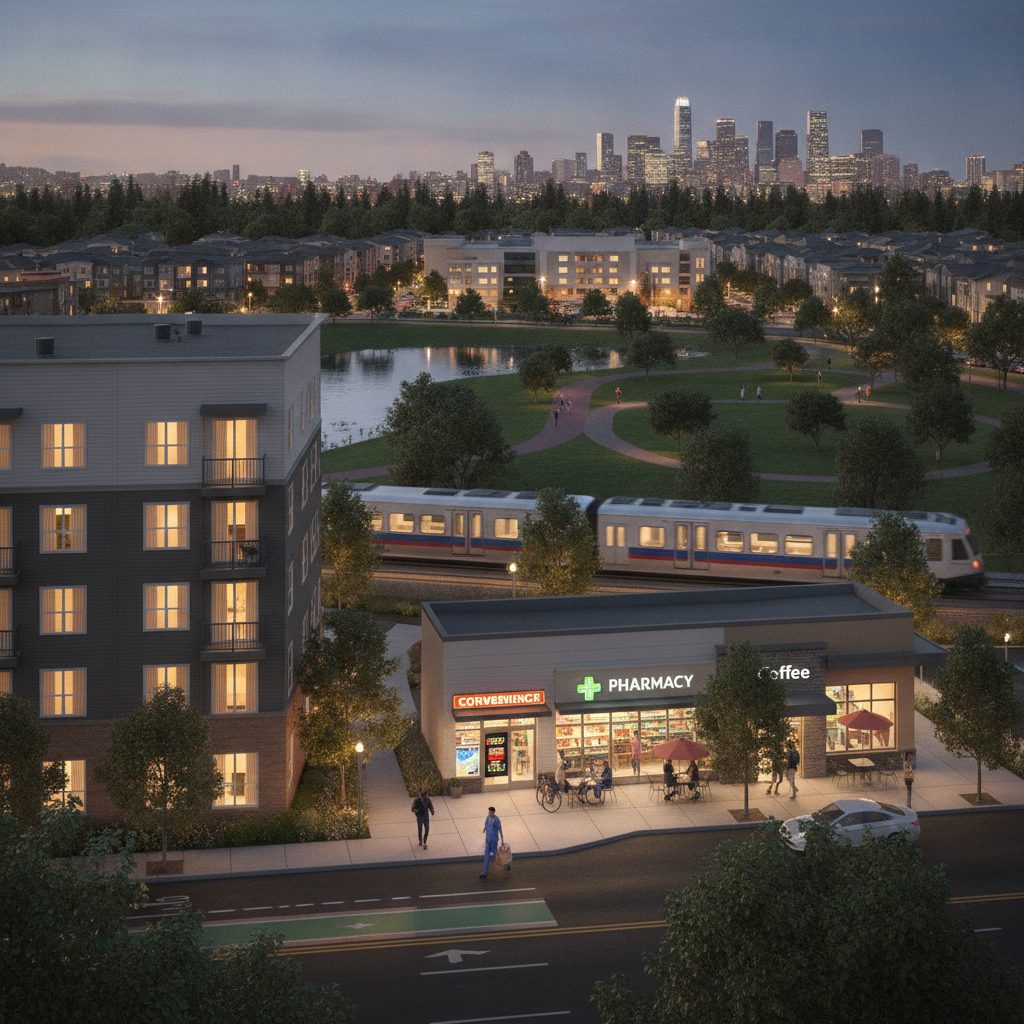
Shift Work Realities and Everyday Errands
A schedule requiring arrival at 6:45 AM or departure after 7:30 PM creates friction with conventional retail and dining hours. Healthcare workers leaving UC Davis Medical Center in Sacramento or Kaiser Permanente South Sacramento need quick solutions for basic sustenance, prescriptions, and household restocks. If the closest grocery store closes at 9:00 PM, a late shift ending with delayed chart completion means going home without fresh food.Pharmacies represent another critical service point. While hospital pharmacies dispense discharge prescriptions, staff members need accessible neighborhood locations for personal family medications. Identifying stores with drive-through windows or extended evening hours reduces the need to run separate errands on precious days off. Proximity to reliable fuel stations, quick-service food options that prepare balanced meals, and package drop-off counters also prevents small chores from accumulating into major logistical hurdles.Rest and physical recovery demand equal consideration. Medical staff spend hours on their feet in controlled indoor environments, making daylight decompression valuable. Neighborhoods offering convenient access to parks, shaded walking trails, and athletic facilities help foster physical longevity. However, having a gym five miles away across congested surface streets offers little benefit to an exhausted nurse or physician who only has forty-five minutes before household duties resume.Suburban Elk Grove: Planned Corridors and Driving Trade-Offs
Elk Grove attracts many medical workers due to its master-planned subdivisions, spacious housing stock, and proximity to regional facilities like Dignity Health Methodist Hospital and Kaiser Permanente Elk Grove Promenade. In communities such as Laguna West, Madeira, and East Elk Grove, commercial development concentrates along specific arterial corridors like Laguna Boulevard, Elk Grove Boulevard, and Bruceville Road.When assessing local-amenities in Elk Grove, buyers find high concentrations of big-box retail, extended-hour supermarkets like WinCo Foods on Sheldon Road, and modern athletic clubs. The city maintains extensive green space, including Elk Grove Regional Park and interconnected pathways along the Laguna Creek corridor. These amenities support an active lifestyle outside work hours, offering pleasant venues for running, dog walking, and family gatherings.The operational catch in Elk Grove centers on vehicle reliance. Subdivisions are intentionally residential, requiring a drive onto major multilane thoroughfares for every gallon of milk or prescription refill. During peak morning and evening traffic, turning out of residential collectors onto Elk Grove Boulevard can add noticeable travel time. Buyers must evaluate whether they are comfortable driving five to ten minutes for every single errand after an exhausting shift, particularly if their primary workplace sits further north along Highway 99 or Interstate 5.Sacramento Neighborhoods: Density, Transit, and Operating Hours
Sacramento offers a contrasting environment characterized by historic street grids, commercial corridors integrated into residential fabric, and varied commute profiles. Neighborhoods such as Tahoe Park, East Sacramento, North Oak Park, and Midtown sit within immediate reach of major medical hubs, including the UC Davis Medical Center complex on Stockton Boulevard and Sutter Medical Center near Fort Sutter.In Tahoe Park and Elmhurst, healthcare workers often enjoy commute times under ten minutes, with some biking or walking straight to campus. East Sacramento provides established grocery anchors such as Corti Brothers on Folsom Boulevard and the Safeway on Alhambra Boulevard. Midtown offers coffee shops that open before 6:00 AM, independent dining options serving food well into the late evening, and pocket parks under dense tree canopies.This urban density brings its own set of trade-offs. Street parking can be competitive, particularly in older neighborhoods without garages or long driveways. Homes positioned directly along major emergency vehicle arteries, such as J Street, L Street, or Stockton Boulevard, experience regular siren noise that can disrupt daytime sleep for night-shift workers. Commercial venues may also change operational hours quickly based on foot traffic trends, meaning buyers cannot assume a favorite neighborhood market will maintain midnight operations indefinitely.Verifying Infrastructure Beyond Marketing Listings
Real estate marketing copy frequently employs generic phrases such as 'convenient to everything,' 'prime location,' or 'minutes from the hospital.' Healthcare professionals should treat these descriptions with healthy skepticism. A home advertised as ten minutes from a medical center might take thirty minutes to reach at 7:00 AM when traffic queues at the Highway 50 and Highway 99 interchange.Prospective buyers should conduct empirical research before submitting an offer. Drive the prospective route at the specific hours you start and end shifts, noting traffic signals, highway merge delays, and school drop-off congestion. Verify the exact operating hours of the closest pharmacy, 24-hour urgent care clinic, and late-night grocery market rather than assuming national chain locations follow identical schedules across the region.- Test commute times during shift changes, especially around 6:30 AM and 7:30 PM.
- Check actual operating hours for target grocery stores, veterinary clinics, and pharmacies.
- Listen for ambient sounds, flight paths, light rail crossings, and ambulance corridors during typical sleep hours.
- Evaluate on-street parking regulations, permit requirements, and street-sweeping schedules that could affect daytime parking.
Balancing Amenities with Cost and Property Realities
Neighborhood amenities do not exist in isolation from housing prices and long-term property upkeep. A home situated two blocks from Sutter Medical Center or UC Davis Health often commands a steep price premium per square foot. Buyers pursuing walkable historic neighborhoods must also prepare for older mechanical systems, foundation settling, limited closet space, and ongoing maintenance obligations common in early-twentieth-century properties.Conversely, a newer home in Elk Grove might provide lower per-square-foot costs, energy-efficient HVAC units, a two-car garage, and modern insulation that blocks outdoor sound effectively. However, the recurring cost of vehicle fuel, highway toll transponders, vehicle wear, and forty minutes of daily driving must be weighed against those interior benefits. High homeowners association dues or special tax assessments in newer suburban developments can also offset savings seen on the purchase price.A sound real estate strategy balances external neighborhood features against personal stamina and long-term financial goals. If an updated kitchen and large yard require an exhausting daily commute, your off-duty hours may be consumed by chores and driving rather than relaxation. Pinpointing your non-negotiable living requirements allows you to assess properties realistically across both Sacramento and Elk Grove.Healthcare Professional Neighborhood Evaluation Checklist
Use this structured checklist when vetting prospective neighborhoods in the Sacramento metropolitan area to ensure the surrounding environment supports your work routine and personal well-being:- Commute Resilience: Can you travel between the property and your workplace via multiple surface streets if Highway 99, Interstate 5, or Highway 50 stalls?
- Daytime Rest Conditions: Is the home shielded from excessive noise caused by commercial deliveries, construction, schools, or frequent emergency vehicle sirens?
- After-Hours Grocery Access: Does a quality supermarket or market stay open past 10:00 PM within a ten-minute drive of your home?
- Pharmacy Convenience: Is there an extended-hours pharmacy with a drive-through or reliable delivery service along your primary commute path?
- Recreational Outlets: Are parks, greenbelts, or fitness centers accessible within fifteen minutes to support physical health during off-duty hours?
- Parking and Property Access: Does the property provide secure, hassle-free parking so you never have to search for a street spot after a grueling shift?
- Total Housing Cost: Have you accounted for property taxes, local assessments, utility expenses, and commuting fuel alongside the base mortgage payment?