Why Pierce County buyers demand perfection or deep discounts
The housing inventory dynamic along the Highway 16 corridor differs dramatically from northern neighbors like King County. While Seattle inventory shortages frequently force buyers into compromise, Pierce County has transitioned into a true buyer's market. Active listings in areas like Tacoma and Lakewood give prospective homeowners options they lacked during the pandemic run-up. When buyers tour homes off Mildred Street or near Regents Boulevard, they compare what they see against recently renovated flip projects with fresh quartz surfaces and modern heat pumps.When a property falls into the awkward middle ground, a house with a few cosmetic touch-ups but an aging furnace and 1970s plumbing, buyers walk away. They recognize that partial renovations rarely solve functional obsolescence. If a seller spends $25,000 on fresh interior paint, modern light fixtures, and luxury vinyl plank flooring, but leaves original wood single-pane windows and an electrical panel from 1974, buyers still price out a complete overhaul. The seller rarely recovers that $25,000 at closing. In this market, you should either finish a property to modern turnkey standards or leave the cosmetic decisions entirely to the purchaser and price the home strictly for its existing condition.The homeowner insurance hurdle that stalls roof approvals
One operational hurdle hitting Pierce County transactions involves property insurance underwriting rather than buyer taste. Insurance carriers across Western Washington have tightened underwriting standards significantly regarding roof condition and age. In the damp climate around Puget Sound, where cedar shakes and architectural composition shingles collect moss and pine needles from mature Douglas firs, an aging roof quickly draws scrutiny.Underwriters now run aerial imagery and require formal roof certifications on older structures before issuing a binder. If a roof shows granular loss, curling tabs, or exceeds 20 years of age, insurance companies increasingly refuse to write coverage until the seller replaces it or escrows funds for an immediate tear-off. Because standard purchase and sale agreements rely on financing that mandates hazard insurance, an uninsurable roof kills a pending contract just as quickly as a structural foundation failure. Sellers must identify this problem before hitting the market. If you know the roof is at the end of its life, you must either budget to replace it before closing or price the property with the direct expectation of an insurance concession during the inspection response window.How a 50-year-old Fircrest property sold in under a week
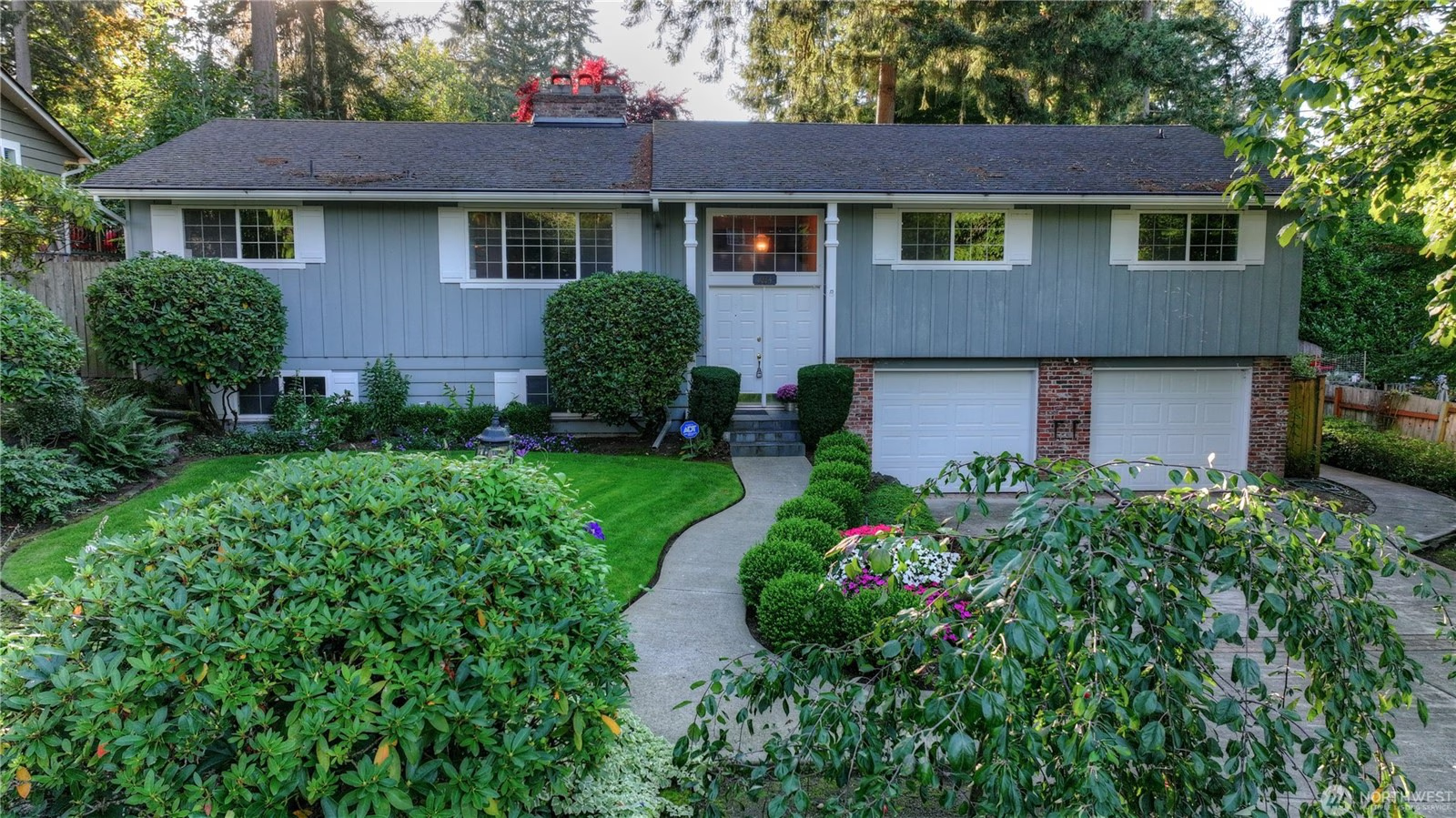
A clear case of handling this decision correctly happened with a local seller named Scoot, who hired The Joy Team to sell his home. A widower in his 90s, Scoot lived in a custom 3,000-square-foot home that he and his late wife had built 50 years earlier in the heart of Fircrest. The grounds were an immaculate gardening paradise, reflecting decades of steady care. Inside, however, the home remained largely unchanged from the day the framing was completed, filled with five decades of collected possessions, furniture, and personal items. Scoot recognized he could no longer manage the property and made the decision to transition into an assisted living community.Because Scoot was financially secure, he had no need for pre-listing renovation loan programs like the Windermere Ready Program, which front money for pre-sale contractor updates against eventual equity. Sinking $80,000 into modernizing bathrooms, gutting a vintage kitchen, and coordinating contractors would have caused immense personal stress without guaranteeing a dollar-for-dollar profit increase. The path forward was clean and methodical:- Move the seller comfortably into his assisted living apartment before disturbing the residence.
- Allow his adult children to walk through the house and select family heirlooms and personal belongings.
- Host a comprehensive on-site estate sale to liquidate remaining furniture, tools, and vintage household goods.
- Hire a dependable local junk hauling company to clear out the remainder, ensuring usable excess goods were routed directly to local charities and donation centers.
- Perform a thorough professional carpet cleaning across the entire 3,000 square feet to eliminate odors and present a fresh, bare interior.
When pre-listing renovations fail to return their investment
Many sellers look at national return-on-investment averages and assume remodeling pays for itself. In regional pockets like Fircrest, that assumption can cost you money. The city maintains its own municipal zoning and strict tree canopy regulations, keeping its residential neighborhoods stable, but the local housing stock consists primarily of well-established mid-century homes. If you spend $65,000 on a mid-range kitchen remodel in a 1960s daylight basement home near Fircrest Golf Club, you rarely raise your final sale price by $65,000 over what a clean, emptied home would bring. Instead, you lock your capital into finishes that may not match what a prospective buyer desires.Holding costs also quietly eat into profits while projects drag on. A complete interior overhaul typically takes eight to twelve weeks to permit, schedule, and execute. During those three months, a seller continues paying Pierce County property taxes, home insurance, utility bills, and potentially bridge loan interest. If the market shifts lower while contractors are working, the seller loses twice. Selling an estate or long-held property as a documented fixer allows an owner to capture the current market quickly and transfer the physical labor to someone else.Essential seller-tips for listing an as-is home
Selling a property without completing extensive renovations does not mean putting a dirty, cluttered home on the market. Buyers who actively seek renovation opportunities still want clarity, space, and simple logistics when evaluating a structure. Follow these basic steps to get maximum value from an unmodified home:- Vacate the property first whenever possible, because an empty house lets contractors and buyers see the underlying floor plan clearly.
- Address exterior curb appeal and landscaping immediately, as an immaculate yard sets an initial impression of quality maintenance even when the interior is dated.
- Clean high-traffic surfaces and deep-clean carpets rather than replacing them with cheap builder-grade flooring that the buyer will likely tear out anyway.