Parm Rahi•Your East Bay Real Estate Expert••4 min read
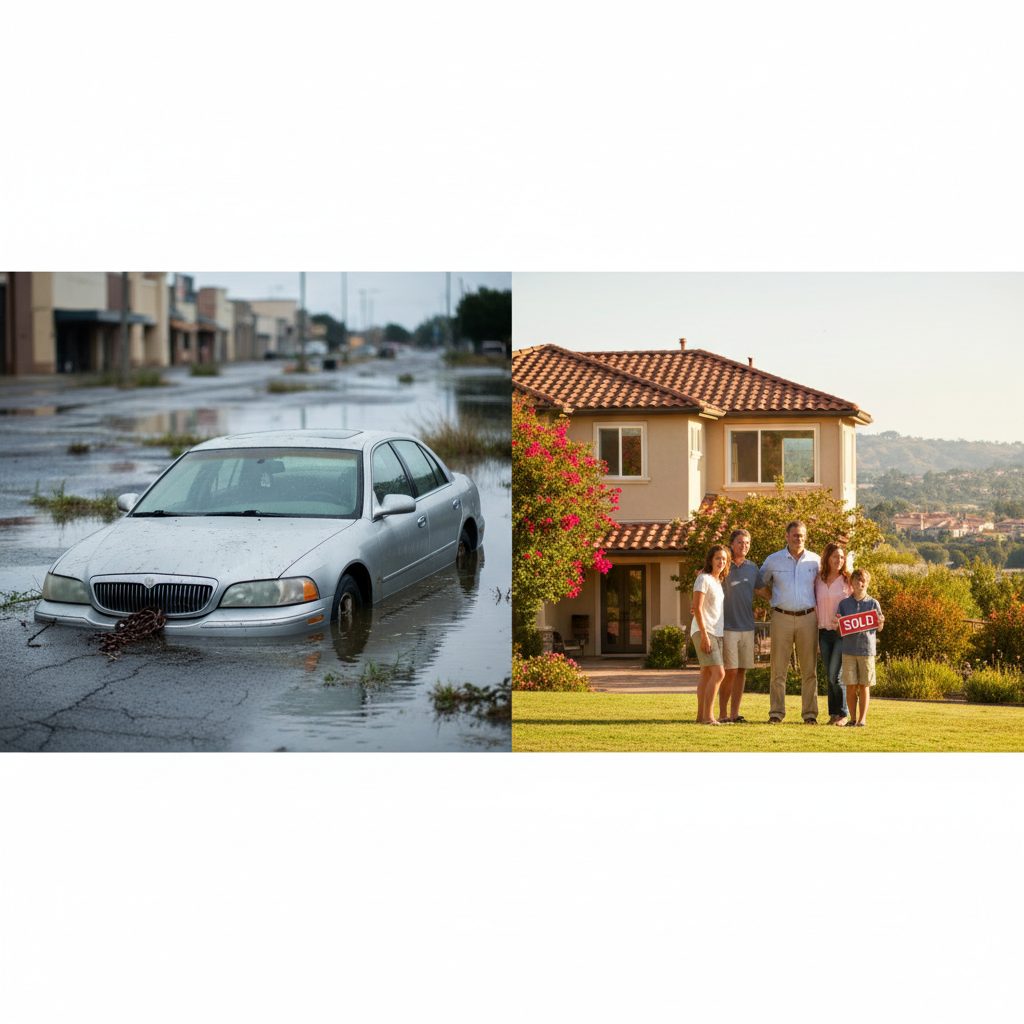
What rising auto loan delinquencies tell us about the economy and what they don't tell us about East Bay home values.Two very different stories are playing out in American household finance right now. Auto loan delinquencies have hit their highest level since the Great Recession. Yet home prices across the East Bay, from Concord and Hercules to Danville and San Ramon, remain firm, with sellers still finding qualified buyers and competitive offers.If you own a home here and have been wondering what the economic headlines mean for your equity, here is a clear-eyed look at both sides.The Auto Loan Problem Is RealThe numbers are hard to ignore. As of Q3 2025, the share of auto loans at least 60 days past due reached 1.68 percent, the highest level since 2008. Subprime auto borrowers have it worse: their delinquency rate hit a record 6.6 percent in early 2025, the highest since tracking began in the 1990s.In 2024, 1.73 million vehicles were repossessed, the most since 2009. Auto loan defaults exceeded 2.3 million, surpassing recession-era peaks. According to VantageScore, auto loans are now the riskiest major credit product in the market, excluding student debt.The cause is a combination of factors that built up over several years: vehicle prices spiked after the pandemic, lenders loosened standards to meet demand, interest rates then rose sharply, and many borrowers are now holding loans that exceed what their vehicles are worth. The financial stress is real and broad, touching prime borrowers, not just subprime.But Housing Is a Different StoryWhen consumers struggle with car payments, the instinct is to ask whether mortgages are next. In 2008, the answer was yes. Today, the structure of the housing market makes that outcome far less likely.Mortgage delinquency rates are low. The mortgage delinquency rate sat at 2.3 percent in Q1 2025, well below the 5 percent peak seen during the financial crisis. Foreclosures in 2024 came in at roughly 174,100, less than one-third of the 500,000-per-year average from 2008 to 2010.Lending standards are fundamentally different. Subprime mortgages fueled 40 percent of the housing market in 2006. Today they account for roughly 0.4 percent. The borrowers who hold mortgages have been creditworthy from the start.Most homeowners have fixed-rate loans. About 92 percent of outstanding mortgages are fixed-rate, meaning homeowners are not exposed to the payment shock that came from adjustable-rate products in 2008.Supply is still tight. In 2008, there was a surplus of roughly 1.5 million housing units nationally. Today there is a shortage of approximately 3.7 million. Scarcity is what keeps prices supported even when buyer demand softens.What This Means for East Bay SellersAcross Contra Costa County, the housing market has held up through 2025. Median prices showed essentially no change year over year through mid-year in the East Bay. Homes that are priced well and move-in ready continue to attract multiple offers and sell quickly, with average market times in many cities running between seven and sixteen days.Inventory is up compared to prior years, but absorption has kept pace. Cities like Danville saw active listings nearly triple from January to June 2025, while median prices stayed close to $2 million. San Ramon climbed from $1.36 million in January to $1.9 million by mid-year. On the more affordable end, Concord at around $700,000 and Hercules and Pinole in the mid-$500s to upper-$700s continue to draw buyers priced out of higher-cost markets, creating steady demand for sellers at those price points.The common thread across the East Bay is that qualified buyers are still active. The lock-in effect, where existing homeowners holding low-rate mortgages choose not to sell, has kept supply constrained enough that sellers retain meaningful leverage in most neighborhoods.The Opportunity for Sellers Right NowConsumer financial stress is real. Rising auto delinquencies, elevated credit card debt, and the broader cost-of-living squeeze are putting pressure on household budgets across the country.But home equity in the East Bay is not the same story as a car loan. Tight supply, qualified mortgage borrowers, fixed-rate debt structures, and sustained local demand continue to protect home values. The conditions that caused the 2008 housing collapse simply are not present today.If you own a home in the East Bay, your equity has held. The question is whether now is the right time to put it to work.Thinking about selling? Reach out for a no-pressure conversation about where your home stands in today's market.Disclaimer: This article is for informational purposes only and does not constitute financial, legal, or investment advice. Market data referenced reflects publicly available sources and local MLS activity through mid-2025. Individual results will vary based on property condition, location, and market timing. Consult a licensed professional before making real estate decisions.