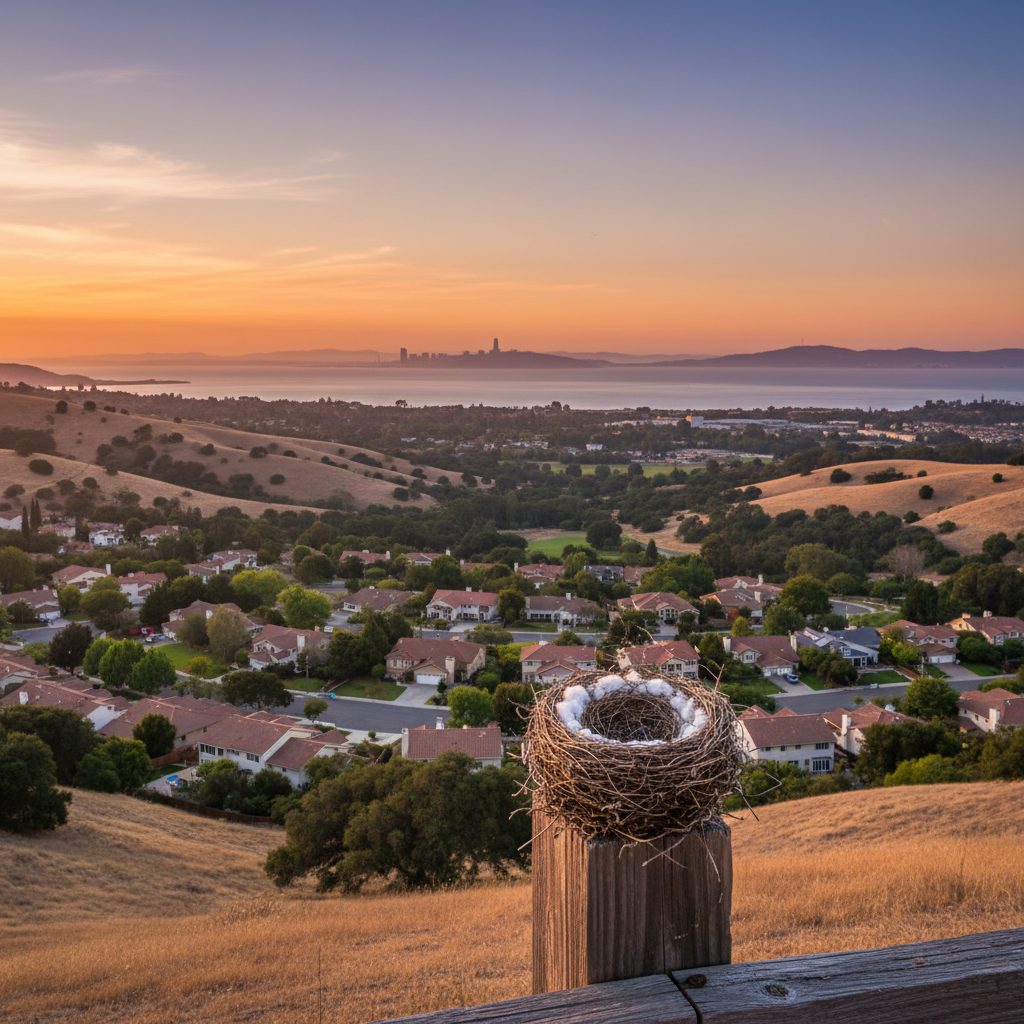
The Lonely Nest Opportunity: Why East Bay Sellers Are Sitting on More Equity Than They Realize
Parm Rahi•Your East Bay Real Estate Expert••7 min read
By Parm Rahi, Broker | Bay Area Home HustleThere is a quiet shift happening across the East Bay right now, and it has nothing to do with interest rates.Nearly 12,000 Americans turn 65 every single day. Fifteen percent of those older Americans plan to retire in 2026, with another 23 percent following in 2027. Baby boomers now account for 55 percent of all home sellers nationally, the highest share of any generation, according to NAR's 2026 Home Buyers and Sellers Generational Trends report. And yet, in cities like Walnut Creek, Pleasant Hill, Concord, Danville, San Ramon, Hercules, and Pinole, a significant number of those homeowners are still sitting in homes they bought decades ago. They raised their kids there. The kids moved out. But they stayed.That is where the seller opportunity lives in 2026.
The Aging-in-Place Trap
For years, older homeowners delayed selling. Low rates made staying cheap. Rising values made selling feel premature. And the idea of finding a suitable replacement home in the same market felt nearly impossible.Baby boomers control roughly 41 percent of America's real estate assets, according to housing research cited by industry analysts. That is a massive pool of long-held homes that has stayed off the market. Now that calculus is beginning to change, not because of market timing, but because of life. Proximity to family, easier home maintenance, access to healthcare, and the desire for a simpler lifestyle are the real drivers. The practical reality of a five-bedroom home on a quarter-acre lot is different at 68 than it was at 42.For sellers in the East Bay, this shift represents an exceptional window.
What the Data Shows Across These Markets
Each city tells a slightly different story, but the common thread is that well-positioned homes are still selling quickly and above asking price in most of these markets.Walnut CreekMedian sale price in March 2026 came in at $845,000, up 9 percent year over year, with homes selling in just 12 days on average, down from 20 days the prior year. This is a market that rewards sellers who price correctly. Walnut Creek's walkability, downtown amenities, and BART access make it a perennial target for downsizers moving in from pricier markets and buyers looking for lifestyle upgrades. Sellers here are holding equity built over decades, and the demand continues.Pleasant HillPleasant Hill's median sale price was $1.2 million in early 2026, up 3.1 percent compared to the prior year, with homes selling in just 8 days on average, less than half the 19-day average of the year before. With tight inventory and strong buyer demand for the city's established neighborhoods, sellers here are in a favorable position. The window for listing before spring competition builds is narrow.ConcordConcord remains one of the most accessible entry points in Contra Costa County, with a median sale price around $725,000 to $739,000 depending on the data source. What stands out is the velocity: in March 2026, 56 percent of Concord homes sold above asking price, and the sale-to-list ratio was 101.1 percent. Sellers here benefit from strong buyer demand from first-time purchasers and investors who see value relative to surrounding cities. Pricing it right is still the key, but the floor is firm.DanvilleDanville sits at the premium end of this market tier. The median sold price in March 2026 was $2.135 million, a modest 2.4 percent softening year over year, but what matters more is that median days on market held flat at just 7 days. That signals buyers are still moving fast when a home is well-priced and well-presented. Inventory has risen, up nearly 29 percent in March compared to the prior year, which means sellers now face more competition than they did in 2025. The takeaway: pricing precision and presentation quality matter more than ever in Danville. Homes that check those boxes are still commanding offers in days.San RamonSan Ramon's market is showing divergence. The broader city median has compressed to around $1.3 million, but premium neighborhoods like Gale Ranch and Windemere are holding near the $2 million mark. Days on market have compressed to as low as 9 days in some analyses, with a sale-to-list ratio above 102 percent in early 2026. The Bishop Ranch employment corridor continues to anchor demand from tech and corporate buyers. San Ramon's top-rated schools remain a powerful driver for the family buyer segment. For long-hold sellers, the appreciation built over the past decade makes this a compelling exit point.HerculesHercules has seen some price softening, with a median sale price around $530,000 in March 2026, down 3.5 percent year over year. Homes are averaging roughly 24 days on market. The city attracts buyers priced out of Walnut Creek and Concord who still want Contra Costa County's relative affordability. New construction activity in Hercules-by-the-Bay adds some buyer competition for resale listings, so sellers should be strategic about condition and pricing. That said, the market is classified as highly competitive, and motivated buyers are still present.PinolePinole is the softest market on this list. Median prices are running in the $640,000 to $711,000 range, with days on market extending to 39 to 44 days, up significantly from the prior year. Price per square foot has declined roughly 6 to 7 percent year over year. Sellers here should set realistic expectations and focus on condition and curb appeal to compete. The upside is that Pinole still represents genuine value relative to the broader Bay Area, and the buyer pool for correctly priced homes remains active.
The Broader Shift: Why the Timing Works
The [real estate agent.com](http://real estate agent.com) article that inspired this post described a growing trend of homeowners choosing to age in place, staying in homes larger than they need because the familiarity feels safe and the transaction feels complicated. But the data tells a different story about what those who do sell are finding.The national housing market remains constrained by rate lock-in. Homeowners who locked in at 2.75 to 3.5 percent are reluctant to trade into a 6.5 percent mortgage. That dynamic actually works in favor of the East Bay seller who is downsizing or relocating entirely. You are not competing with that seller pool when you are moving to a lower price point, a rental, a 55-plus community, or closer to family in another region. You are extracting equity from a market where inventory is still limited and buyer demand is real.Multi-generational living is also quietly reshaping buyer demand. Roughly 17 percent of buyers are actively searching for homes that can accommodate multiple generations, up from 14 percent the prior year. Larger East Bay homes with ADU potential, separate entrances, or flexible floor plans are commanding a premium from this buyer segment.
What Sellers Should Be Thinking About Right Now
Spring is the strongest selling season in the East Bay, and inventory typically rises through April and May as more sellers list. The sellers who move early in that cycle face less competition and more motivated buyers. Waiting until summer means your listing competes with a fuller pool of alternatives.Across these cities, the market rewards two things consistently: accurate pricing and strong presentation. Homes that are overpriced in markets like Danville and San Ramon are sitting, while correctly priced homes are selling in under two weeks. The gap between homes that win and homes that stall is not luck; it is strategy.If you are a long-hold homeowner in any of these cities, you have likely accumulated substantial equity. Understanding what your home is worth today, what capital gains exposure you may have, and what your next move looks like are the three conversations worth having before you list.
Ready to Talk?
I work with East Bay homeowners who are thinking through the decision to sell, often for the first time in many years. If you want a straightforward conversation about what your home is worth and what the process looks like in today's market, reach out directly.DisclaimerMarket data referenced in this article is sourced from Redfin, Movoto, Houzeo, and publicly available MLS records as of Q1 2026. Figures reflect median sold prices and market activity and are subject to change. This article is for informational purposes only and does not constitute financial, tax, or legal advice. Consult a qualified professional before making any real estate or financial decisions.