
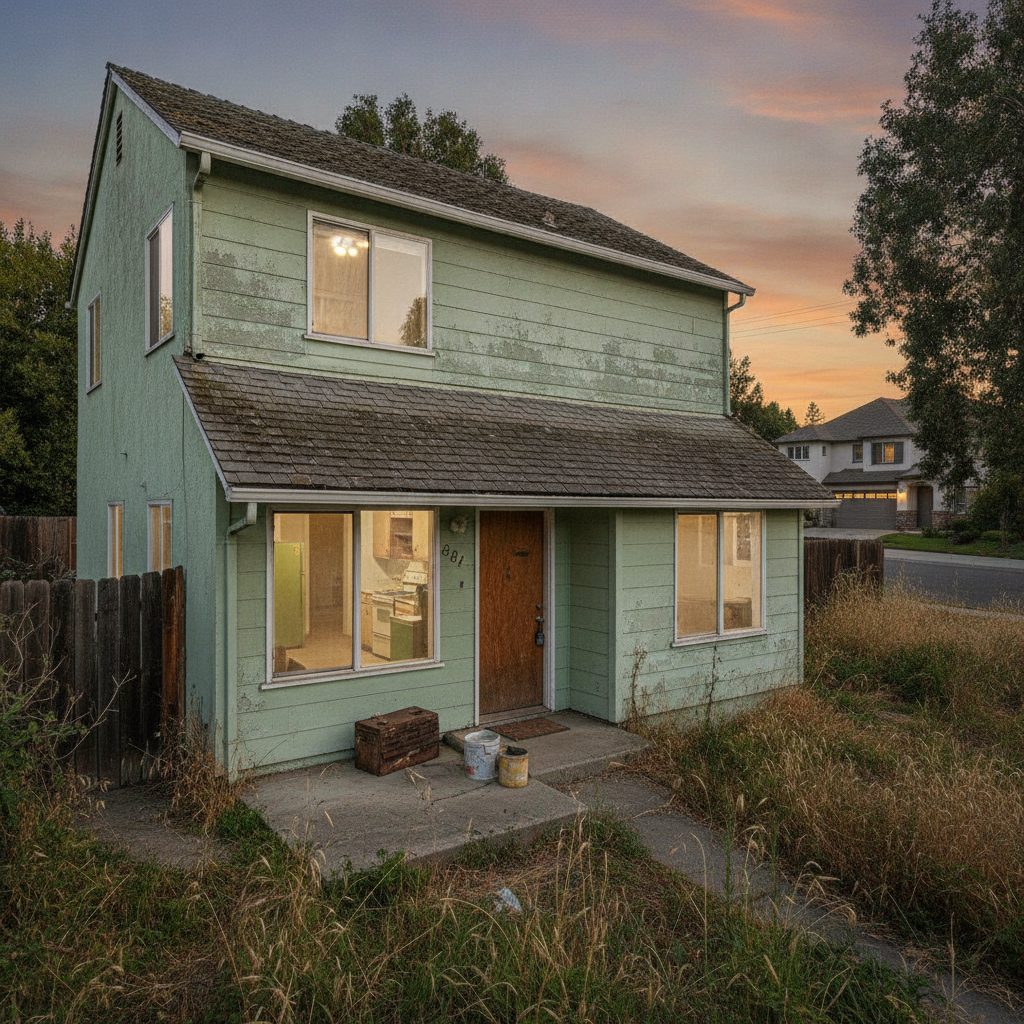
What counts as a fixer-upper
There is no official definition, so I use it loosely. Most Fremont fixer-uppers fall into one of three groups:- Cosmetic projects: dated finishes, old flooring and paint, and tired kitchens and bathrooms, with a sound structure and working systems.
- Systems projects: a roof, furnace, water heater, electrical panel, plumbing or windows that are at or near the end of their life.
- Major projects: structural repairs, additions, layout changes or work that needs a full set of plans and permits.
What the Fremont numbers say
Fremont's housing is not new, and that is why fixer-uppers keep coming up. Based on my MLS data for sales that closed between October 21, 2025 and October 21, 2026:- Fremont houses (863 sold): median price $1,715,000, about $1,045 per square foot, a typical 10 days on the market, and about 64% sold above the list price. The median year built was 1966.
- Fremont condos and townhomes (393 sold): median price $835,000, about $661 per square foot, a typical 25 days on the market, and about 31% sold above the list price.
- For comparison, the median year built for houses was 1971 in Newark and 1975 in Union City.
What to check before you buy a Fremont fixer-upper
The list price tells you very little about what a home will cost you in the end. Before you make an offer, or during your inspection period, I help you look at these areas:- Roof. Age, material, visible wear, leaks and past repairs. A replacement can be one of the largest single costs.
- Foundation and structure. Cracks, sloping floors, sticking doors, signs of past repairs, and how the house sits on its foundation. Ask a licensed professional to look at anything that worries you.
- Electrical. The panel, the wiring type and age, and whether the work was done with permits. Older homes may have systems that no longer match how you would use the house.
- Plumbing. Pipe material, water pressure, leaks, the water heater and the sewer line. A sewer line camera inspection can show problems that you cannot see from inside the house.
- Heating and cooling. Age and condition of the furnace and any air conditioning.
- Pests and moisture. A termite or pest inspection report, signs of water damage, and drainage around the house.
- Unpermitted work. Additions, converted garages, and finished spaces that may not appear in the city's records. Unpermitted work can create costs and delays later, so we look into it early.
- Seismic safety. Ask about how the house is anchored to its foundation and whether any earthquake retrofit work has been done. This is a conversation to have with an inspector or structural professional.
- Hazardous materials. In older homes, ask your inspector whether lead-based paint, asbestos or similar materials are likely, and how that would affect your plans.
Financing a fixer-upper
Many lenders will not finance a home that needs major work the way they finance a move-in-ready home, so it helps to talk to a lender before you start looking. Common paths include:- Cash or a mix of financing and savings. Pay for the purchase with a standard loan and the work from savings or a separate source. This is the simplest option if the home qualifies for a standard loan and you have the funds.
- FHA 203(k) renovation loan. This FHA-insured loan combines the purchase and the repairs into one mortgage. The limited version is for minor, non-structural work and is capped at $35,000 in eligible projects, while the standard version covers larger and structural work, has a $5,000 minimum and requires a HUD-listed 203(k) consultant. It is for owner-occupants, not investors. Part of the loan goes into an escrow account and is released as the work is completed. HUD updates these rules from time to time, so confirm the current limits with a lender.
- Fannie Mae HomeStyle Renovation loan. This is a conventional loan that covers the purchase and the renovation. For a purchase, renovation costs cannot exceed 75% of the lesser of the purchase price plus renovation costs or the as-completed appraised value. It allows larger projects such as additions, but not tear-downs, and the work generally has to be finished within 15 months of closing.
- Other options. Some lenders offer their own renovation products, and some owners use a home equity loan or line of credit after they buy. Terms vary a lot, so compare them.
Budgeting, permits and contractors
Build a realistic budget. Get written bids from licensed contractors for the work you plan to do before you commit to a price, and set aside a cushion for surprises. Old houses often reveal problems once walls and floors are opened. I do not quote cost ranges here because prices for labor and materials change and vary by project, so your own bids are the numbers to trust.Understand permits. The City of Fremont reviews plans and inspects work to check it against the California Building Code, and its Building and Safety page says every permit requires a building inspection. Whether a specific project needs a permit depends on the work, so check with the City's Building and Safety staff or your contractor before you start. Skipping a required permit can cause problems later, including when you sell, so it is worth asking at the start.Hire a licensed contractor. According to the Contractors State License Board (CSLB), anyone who contracts for or bids on a project worth $1,000 or more in labor and materials must be licensed. CSLB's guidance for homeowners includes:- Check the license on the CSLB website or by phone, and confirm that it is current and covers the type of work you need.
- Get a written contract that lists the materials, the payment schedule and the project phases, and put any changes in writing.
- Do not pay more than 10% down or $1,000, whichever is less, unless the contractor has a blanket bond on file. Do not let payments get ahead of completed work.
- Ask about workers' compensation and general liability insurance.
- Confirm who will pull the required permits.
Fremont fixer-upper: common questions
Is a fixer-upper a good idea in Fremont? It can be, but it depends on the price you pay, the real cost of the work, your budget and your tolerance for a project. The numbers should work on paper before you offer, including a cushion for surprises.Can I get a loan that includes the cost of repairs? Often, yes. The FHA 203(k) and Fannie Mae HomeStyle Renovation loans are two options that roll the purchase and the renovation into one mortgage. Each has its own rules, so talk to a lender who handles renovation loans.Should I get an inspection on a home I plan to renovate? Yes. The reports show what you are really buying, help you decide what to offer and help you plan the work.Do I need permits for my renovation? It depends on the project. The City of Fremont reviews plans and inspects permitted work. Check with the City's Building and Safety staff or your licensed contractor before you start.What is the first step? Tell me what you want from the home and your budget, and talk to a lender about financing. Then we can look at what is available in Fremont, Newark and Union City, and decide what a fixer-upper is really worth.Thinking about buying a Fremont fixer-upper?
If you are thinking about buying a home that needs work, I am happy to talk it through with no pressure. I can compare recent sales, explain the options and help you plan the steps.- Phone: (510) 737-2220
- Email: travis@vantvoort.com
Travis VantVoort
REALTOR®
Area served: Union City, Alameda County, CA, Newark, Alameda County, CA, Fremont, Alameda County, CA, Milpitas, Santa Clara County, CA, Pleasanton, Alameda County, CA, Dublin, Alameda County, CA, Livermore, Alameda County, CA, Hayward, Alameda County, CA, Castro Valley, Alameda County, CA, Sunol, Alameda County, CA
Expertise: Downsizing, First-Time Buyer, Fixer-Uppers, 1031 Exchanges, Historic Homes