
What Is El Niño?
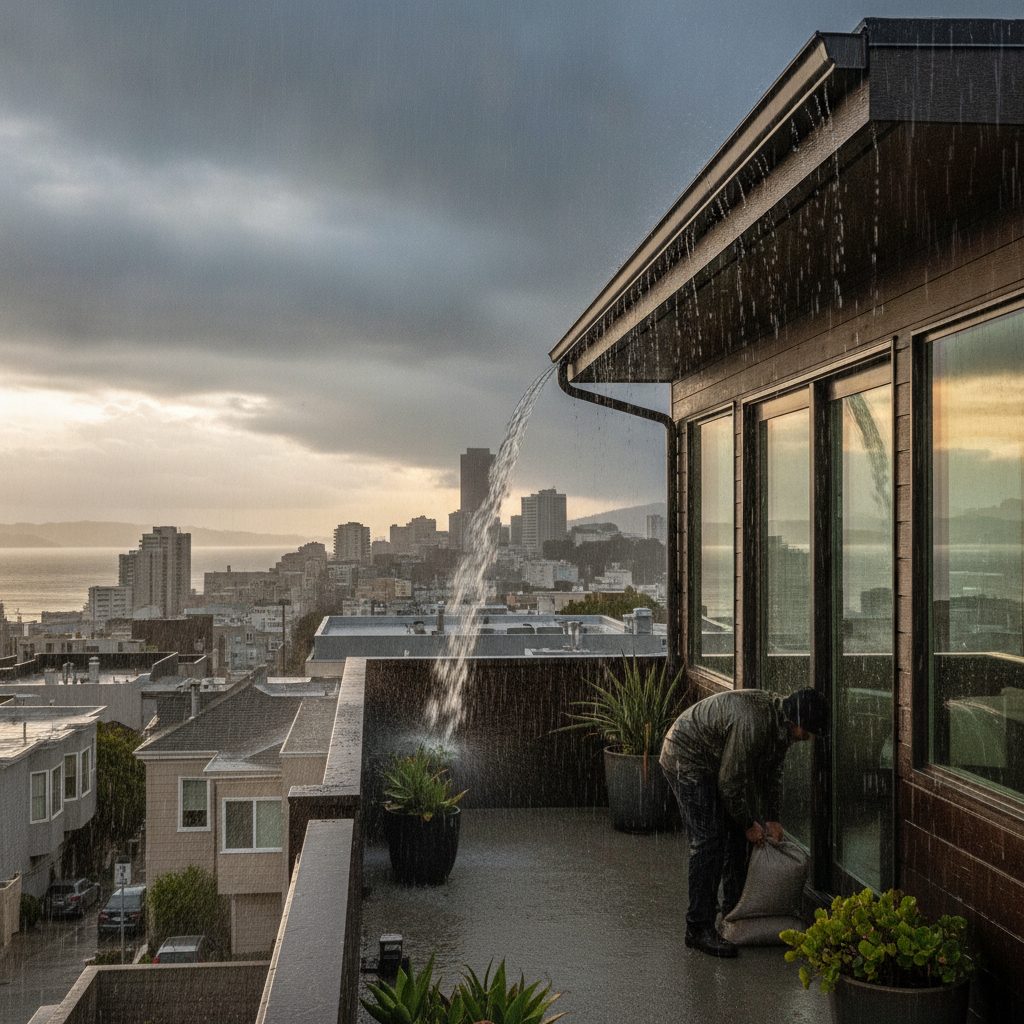
El Niño is a natural climate pattern in the tropical Pacific Ocean. The trade winds that usually blow east to west weaken, and warm surface water spreads toward the Americas. That warmer ocean shifts the jet stream and storm tracks, changing winter weather around the world (NOAA).It returns every two to seven years, usually lasts nine to 12 months, and has its biggest effects in winter (NOAA). A strong El Niño raises California's odds of a wet winter, more so in Southern California than Northern California (Drought.gov). Still, a wet winter is never guaranteed.This season, NOAA expects a strong to very strong El Niño through early 2027.How San Francisco Is Preparing
On October 23, 2026, Mayor Daniel Lurie declared a local emergency to prepare for El Niño storms and coastal flooding. The order lets city departments buy flood barriers, pumps, generators and shelter supplies faster, and it organizes them under one emergency command structure (SF.gov).Eligible properties that have flooded from the public street or from sewer backflow may qualify for an SFPUC Floodwater Management Grant of up to $100,000 (SF.gov). To get emergency alerts on your phone, text your ZIP code to 888-777 (AlertSF).A New Year's Eve Without Power
On December 31, 2022, downtown San Francisco got 5.46 inches of rain, its second-wettest day since records began in 1849 (National Weather Service, ABC7). That was a La Niña winter, so strong storms can come in any year (NOAA).Our power went out for three nights over New Year's Eve. The neighbors all gathered around the table with headlamps, and I brought my garden lights inside. We sat quietly in the dim light as my indoor plants cast shadows on the ceiling. Over drinks and snacks, we shared favorite childhood holiday memories and our own power outage adventures as kids. The children enjoyed listening in and simply being present with each other.Thankfully, I was prepared for those three nights. It all came down to my years as a flight attendant, mom, teacher, community organizer and agent. Together, they shaped who I am and what I do today.How to Prepare
- Clear your gutters and drains, including the storm drain near your home. Report clogged drains to SF311.
- In a flood zone? Check your address on the SFPUC flood map, then get up to 10 free sandbags per address from SF Public Works.
- Fix cracked windows before the wind arrives.
- Stay away from downed power lines. Call 911, then PG&E at 1-800-743-5000.
- Keep phones and devices charged.
- If you buy a generator, run it outdoors only, at least 20 feet from doors, windows and vents (CDC).
- For the car, replace old wipers, check your lights, and pack a kit: flashlight, hazard warning triangle, rain jacket and blankets.
- Declutter the garage, since it can flood first. Elevate valuables and store them in plastic bins.
- Run a dehumidifier, and turn the heat on for a couple of hours to keep moisture and mildew from spreading.