
Why the city pressed pause
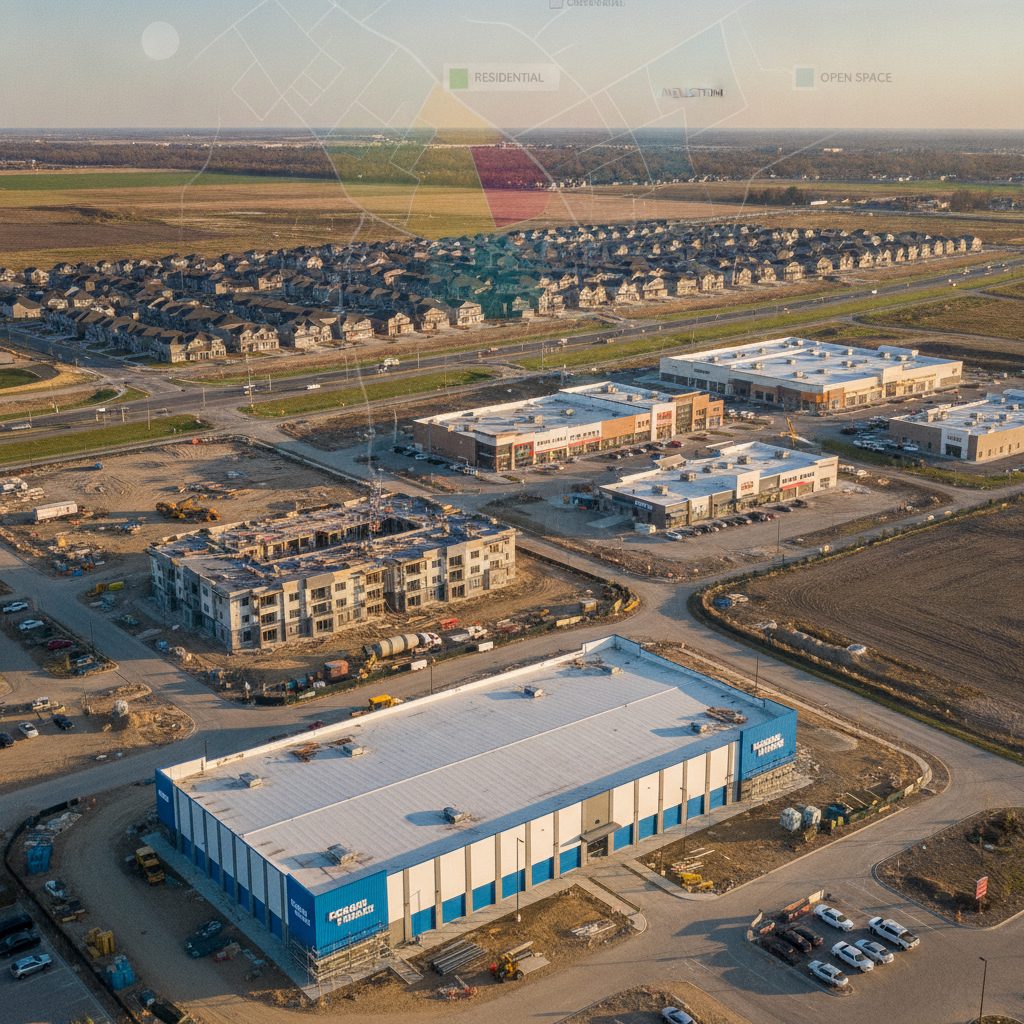
City officials’ concerns center on opportunity cost. Self-storage facilities can serve residents and businesses, but they generally require relatively few employees once they are operating. The city characterized them as uses that do not create a significant number of jobs or generate substantial revenue compared with other potential developments.That comparison matters in a city where land may also support homes, shops or larger employment centers. A parcel devoted to storage is not necessarily vacant or unproductive, but it may offer fewer opportunities for housing and economic activity than other forms of development. The moratorium gives Elk Grove time to evaluate that trade-off before approving more projects.The policy also reflects concerns about concentration. Aerial footage cited in the report showed three storage facilities near one another along West Stockton Boulevard. For some residents, the issue is not only the number of individual facilities but also the cumulative effect they have on a neighborhood’s appearance and character.Nguyen Vo, an Elk Grove resident quoted in the report, recalled seeing a new storage facility built near a former home and described the change from fields and open views to a more heavily developed landscape. Vo also questioned whether the city needs additional storage capacity and welcomed the temporary halt.What the moratorium does—and does not do
A moratorium is a temporary pause, not a permanent ban. Elk Grove’s two-year measure creates a window for reviewing zoning rules, studying the city’s existing inventory and deciding what standards should apply to future proposals.That review could lead to several outcomes. City officials might maintain the current rules after concluding that the existing supply is adequate. They could also limit where storage facilities may be built, require greater separation between projects, establish design standards or adopt broader criteria for evaluating economic and community benefits. The council could ultimately decide that no lasting change is necessary.The measure’s exemptions are equally important. Existing operators can continue serving customers, and projects with prior city approval can proceed. Those provisions reduce the disruption to businesses and property owners while allowing the city to reconsider future development.The broader planning question
Elk Grove’s action illustrates a broader tension in local planning. Communities often need storage space as residents move, businesses expand and households accumulate belongings. At the same time, storage facilities can be less labor-intensive than offices, stores or industrial projects, and they typically do not add housing.The debate is therefore not simply about whether self-storage is useful. It is about whether a particular site represents the best long-term use of scarce urban land. The answer may differ by location. A facility near major roads or commercial districts may have different effects from one placed near homes, open space or land identified for employment growth.By pausing new approvals, Elk Grove has chosen to study those questions before allowing the trend to continue. The result of that review will help determine whether the moratorium becomes a lasting shift in development policy or remains a temporary response to residents’ concerns.For now, the council’s vote sends a clear message: future self-storage projects will be evaluated not only as individual businesses, but also for what their land could contribute to the city’s housing supply, neighborhoods and economic future.Naveed Kajani
REALTOR®
Area served: Elk Grove, Sacramento, Roseville
Expertise: Foreclosures, First-Time Buyer, Walkable Neighborhoods, New Construction, Probate, Investor Clients