
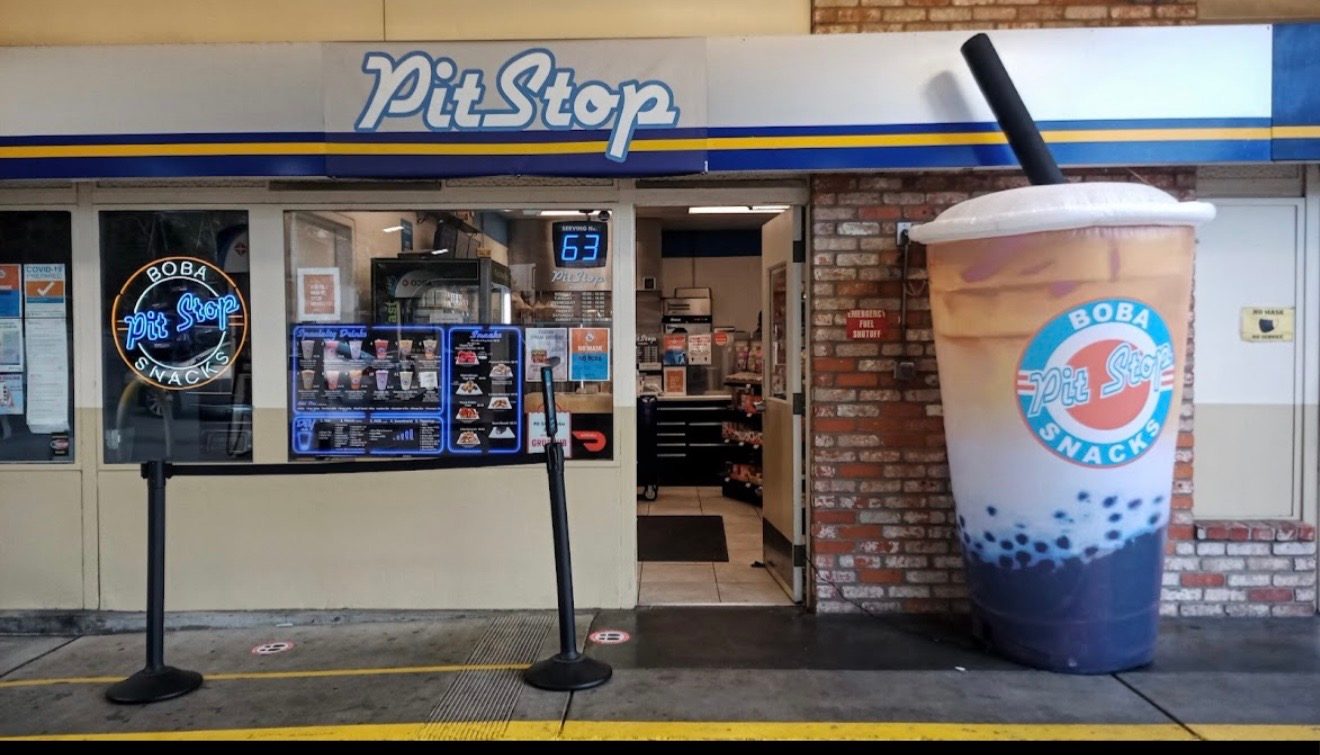
What Are Boba Places?
Boba places, also known as bubble tea shops or pearl milk tea cafes, specialize in Taiwanese tea-based beverages served cold or hot with chewy toppings. The beverage originated in Taichung and Tainan during the 1980s before spreading worldwide. Unlike traditional coffee houses or fast-food counters, these venues focus on custom-brewed loose-leaf teas, artisanal syrups, dairy or non-dairy creamers, and freshly prepared starch pearls.In modern commercial real estate, tea shops occupy a distinct niche. They thrive in accessible retail centers, strip malls, and pedestrian corridors because they require efficient kitchen layouts centered on induction burners, water filtration units, and sealing machines rather than full commercial grease traps. For communities in South San Francisco and Daly City, clusters of tea shops near residential pockets create convenient social hubs where residents stop during daily commutes or evening outings.Popular Types of Boba Drinks
Navigating the drink board at an authentic shop requires an understanding of the primary beverage categories. Each style delivers a different balance of tea strength, sweetness, and creaminess.- Classic Milk Tea: Brewed with strong black tea leaves such as Ceylon, Assam, or Earl Grey, combined with milk or non-dairy creamer. It provides a bold, malted flavor profile that stands up well to ice and sweetener.
- Green and Oolong Milk Teas: Jasmine green tea offers floral aromas and a lighter body, while roasted Oolong brings earthy, nutty notes that create a refined contrast against sweet pearls.
- Brown Sugar Fresh Milk: This style skips brewed tea, coating the inside of the cup with warm, caramelized brown sugar syrup before adding cold whole milk and freshly cooked tapioca pearls.
- Fresh Fruit Teas: Made with green or four-season Oolong tea shaken with real fruit purées, sliced citrus, passion fruit, mango, or lychee for crisp acidity and vibrant flavor.
- Specialty Blends: Taro milk tea, matcha lattes, and cheese foam drinks topped with a salted, aerated cream cheese layer create rich, multi-textured drinking experiences.
How to Choose a Boba Place
Selecting the right tea shop comes down to three clear standards: tea extraction quality, tapioca consistency, and ingredient flexibility.First, examine the brewing method. Superior shops brew whole-leaf tea in temperature-controlled batches throughout the day rather than relying on instant powders or stale concentrates. When you take a sip of an unsweetened or lightly sweetened tea, you should taste distinct floral, tannic, or roasted notes without harsh bitterness.Second, evaluate the boba itself. The ideal tapioca pearl features what Taiwanese tea makers call QQ texture, which describes a bouncy, chewy bite that is neither hard in the center nor mushy on the outside. Tapioca pearls must be cooked in boiling water, simmered, and steeped in sugar or honey syrup. Because boba degrades after three to four hours, high-performing shops cook small batches continually throughout operating hours.Location and shop specialization also play a major part in your rotation. Along the Westborough corridor connecting Daly City and South San Francisco, three standout spots highlight how different approaches satisfy specific cravings:- Pitstop Boba Shop: Known for rapid service, consistent tea strength, and reliable pearl texture, making it an excellent stop for classic daily milk teas.
- Tea World: Offers a wide variety of specialty drinks with strong traditional tea flavor profiles and balanced sweetness options.
- Tea Ever: Delivers refined specialty drinks with clean presentation and fruit infusions that hit the spot when you want a lighter, refreshing base.
What to Look for on a Boba Menu
A comprehensive menu allows visitors to dial in exact preferences. Understanding the standard customization variables ensures you get a drink that matches your exact palate.Sweetness Adjustments: Most modern shops offer sweetness scales of 0% (unsweetened), 25% (quarter sweet), 50% (half sweet), 75% (less sweet), and 100% (regular). If you order a fruit tea containing sweetened purées or a brown sugar drink with syrup-soaked tapioca, choosing 25% or 50% sweetness prevents the drink from overpowering the underlying tea aromatics.Ice Levels: Ice options generally include regular ice, less ice, or no ice. Opting for less ice keeps your beverage chilled without diluting the tea concentration as the ice melts over time.Topping Selections: While traditional black tapioca pearls made from cassava root remain the benchmark, modern menus offer extensive alternatives:- Mini Boba: A smaller diameter pearl that flows easily through the straw and delivers a softer bite.
- Grass Jelly: An herbal, mildly earthy jelly that pairs exceptionally well with rich roasted oolong or winter melon tea.
- Egg Pudding: A soft, custard-like addition that adds a silky richness to standard milk teas.
- Aloe Vera and Aiyu Jelly: Crisp, refreshing additions that complement citrus and green fruit teas.
- Popping Boba: Fruit juice encased in a thin alginate skin that bursts on contact, providing a bright contrast for iced teas, along with other seasonal jellies.
Tips for Finding the Best Boba Places
Finding standout boba requires a few practical evaluation techniques that help you identify top-tier craftsmanship quickly:- Time Your Visit Around Peak Cook Cycles: Tapioca pearls reach their peak texture within thirty to ninety minutes of cooking. Visiting during steady afternoon or post-dinner hours often guarantees you receive freshly cooked, warm boba rather than pearls that have sat in cold holding bins.
- Check the Counter Setup: Observe whether the shop uses automated tea brewers, espresso-style extractors, or traditional insulated dispensers. Clean preparation counters, clearly labeled tea urns with batch expiration times, and tidy shaker stations signal strict quality control.
- Analyze Local Commercial Density: Top-tier tea shops thrive where foot traffic and dining clusters intersect. In suburban centers, look for tea shops positioned near grocery anchors, noodle shops, and casual restaurants. These retail locations generate the high sales volume necessary to turn over fresh boba batches every couple of hours.
- Tailor Your Shop Selection to Your Mood: Keep a rotating list of spots depending on what you plan to order. One shop might excel at high-roast Oolong milk tea, while another specializes in fresh grapefruit green tea or brown sugar boba. Rotating through your local options ensures you match each specific craving to the shop that executes that recipe best.