
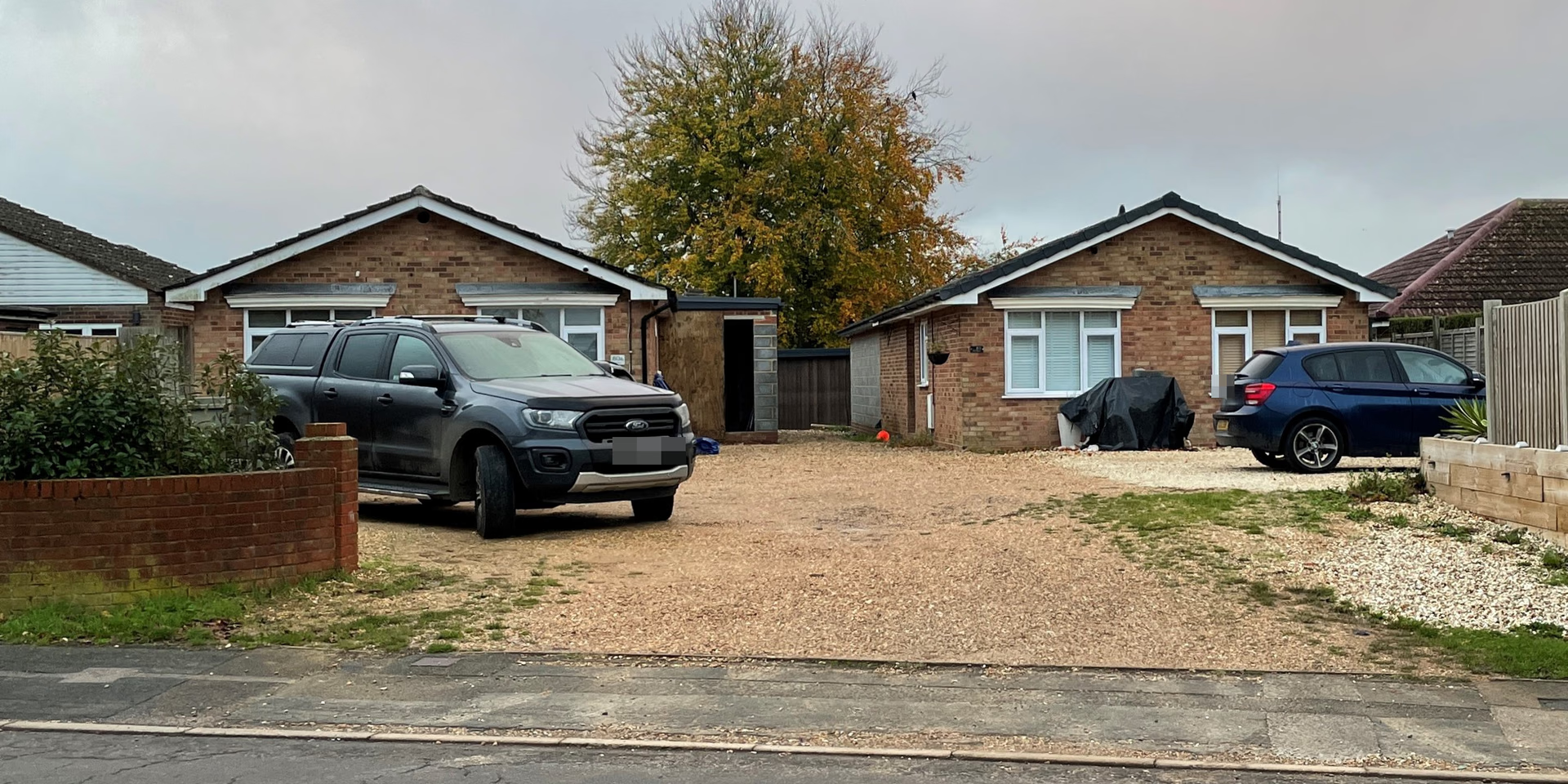
Take One More Look at the Shared Driveway

Take One More Look at the Shared Driveway
Picture getting home when someone else is already in the driveway. You want to reach the garage. They need a few more minutes to unload. Can you both use the space without blocking each other? If you're considering a Bay Area home with shared access, that's a useful question to bring to the next showing.I'd run three small tests before deciding the setup works for you. You can do the first on a tour, and the other two are good reasons to ask for records early.

Try the busiest five minutes of your day

Ask the agent to show you the entire route from the curb to the place you'd park. Imagine your own car making that turn, a delivery stopping at the entrance and a visitor needing somewhere to pull over. If the driveway has a gate, ask who operates it and how you get in when the power is out. If a larger vehicle will be important to you, ask about clearance and turning room.A layout that feels generous empty can feel different with two cars in it. If a parking spot or turn depends on using a neighbor's property, write down the exact location so you can ask about that part of the route.

Pick one question that needs a written answer

Start with the driveway feature you would count on most. Maybe you need a place to stop while a passenger gets out. Maybe you need to cross a strip beside the garage every time you back out. Ask the title team which document describes that area and request the full copy with any attached drawing.California's Department of Real Estate describes an easement as a right to use another's property for a limited purpose. Passing over a driveway and leaving a car there can raise different questions. Have the title team tell you what records and proposed coverage they can identify. A California real estate attorney can explain how the language applies if rights or obligations are unclear. If the issue is where the described line falls on the ground, a licensed surveyor can help locate it.

Imagine the first repair

Say the gate stops opening or the pavement develops a dip where water sits. Who calls the contractor? Is everyone supposed to approve the work first? How would you find out what you owe? Ask for any maintenance agreement and recent records of repairs. If the seller describes an informal arrangement, ask what has been put in writing and whether any work is already being discussed.Ask who keeps the invoices and where a new owner would get copies. A recent bill can show what work was done. The agreement is a separate thing to review when you're trying to understand who is responsible for the next job.This is also worth doing if the driveway looks freshly paved. You may have years before a major repair, but the same agreement may matter next week if the gate stops working or someone wants to change it.Before your next transaction deadline, write down the one unresolved issue that would change your decision and tell your agent why. For example, “My vehicle can't make the turn unless I use the space behind the other garage” gives your team a specific question to take to title or a surveyor. It also gives you a practical way to decide whether the property fits how you live.My full website guide in References has the questions I'd take to the title team and more examples of what to compare with the paperwork.“Shared driveway - Hill Road” by Mr Ignavy via Geograph, CC BY-SA 2.0. Cropped, with plates obscured.
#homebuying#realestate#propertyduediligence