
The boxes are not packed, the next home is not quite ready, and the sale is approaching closing. Staying a little longer can sound like the simplest solution.
Before agreeing, I would ask a different question: if the next move slips, is there still a workable way to hand over this home on time?
For a San Francisco seller, that question turns a possible rent-back from a convenient idea into a plan both sides can evaluate.
Start with the exit, not the extension
Put the seller's destination and moving arrangements on paper before deciding how much extra time to request. Confirm when that destination is available and what must happen before the move can take place.
Then compare the seller's proposed handback with the buyer's real move-in needs. A buyer may be ending a lease or arranging work at the property. Their flexibility should not be assumed.
Choose a checkpoint for activating backup housing or storage if needed. Waiting until the handback date to look for alternatives leaves both sides with fewer choices. Any extension requires agreement and appropriate review; it is not a built-in feature of the sale.
Bring the right people into the conversation
The buyer's lender needs the actual dates and occupancy plan, not a vague promise that the stay will be short. Ask how the arrangement fits the loan documents and whether written approval is required.
Both parties should also tell their insurance professionals who will own and occupy the home after closing. Clarify protection for the building, belongings and liability, and obtain written answers where coverage is uncertain.
San Francisco adds an important legal-review step. The Rent Board describes broad protections for residential tenants, but its general guidance does not decide how every seller's retained possession is classified. Ask a local real estate attorney to review the circumstances and terms. A short duration or a particular form name should not substitute for that review.
Existing tenants are a separate matter. A buyer and seller cannot simply treat their own agreement as a promise that another occupant's rights disappear when the property changes hands.
Check the street before booking the truck
San Francisco moving logistics can affect whether the promised departure is realistic. Confirm loading access and, where applicable, building rules and elevator reservations.
SFMTA's temporary tow-away signage process currently calls for at least five business days between application and enforcement, with legal holidays excluded. Required advance posting differs between unmetered and metered spaces; Port-property applications require at least 15 calendar days. Check the instructions for the actual location rather than assuming a truck can arrive whenever you choose.
A storage container or Moving POD follows a separate Public Works permit path. Moving-van signage does not provide blanket permission to leave equipment in the public right of way. Confirm approval, practical access and current requirements before building the move around them.
Decide what a completed handoff looks like
Agree on the exact handback date and time, condition documentation, keys and access devices, utilities, maintenance communication and any occupancy payments. Have the written arrangement professionally reviewed.
If funds are proposed to be held back, ask the attorney about the terms and the escrow holder about its accepted written instructions. Do not assume that money is automatically available to settle a disagreement or guarantees possession.
My role as a real estate agent with financing experience is to help organize these moving parts and bring the right questions forward early. For the fuller checklist, use the website guide in References. If you are planning a San Francisco sale, we can start with the date you need to be out—and work backward to a plan you can realistically carry out.
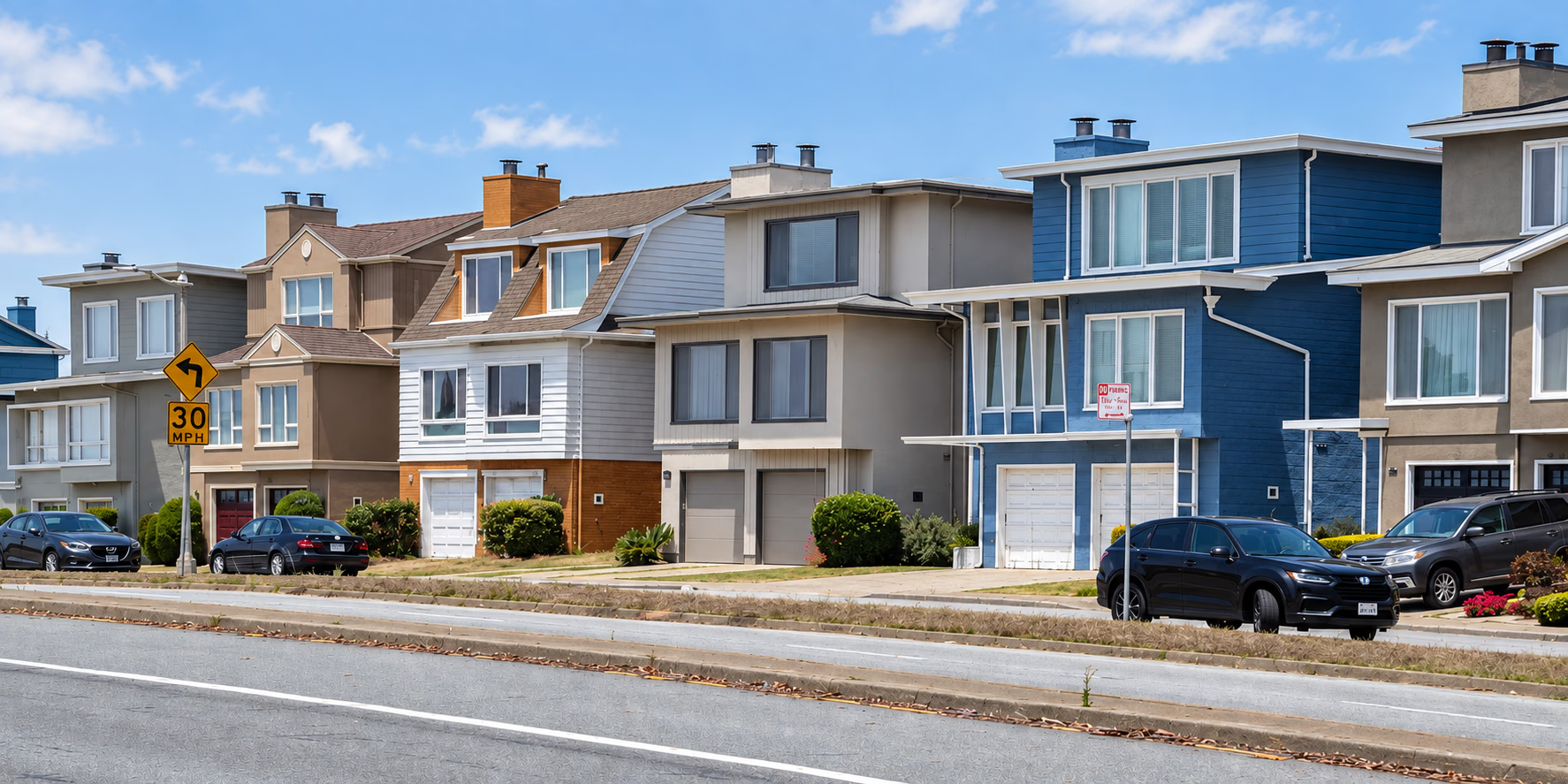
Image: Lakeshore, San Francisco. Original photo by Austin Cheng; AI-enhanced for alignment, lighting and sky.