
Before Choosing a Repair, Follow the Rainwater

Before Choosing a Repair, Follow the Rainwater
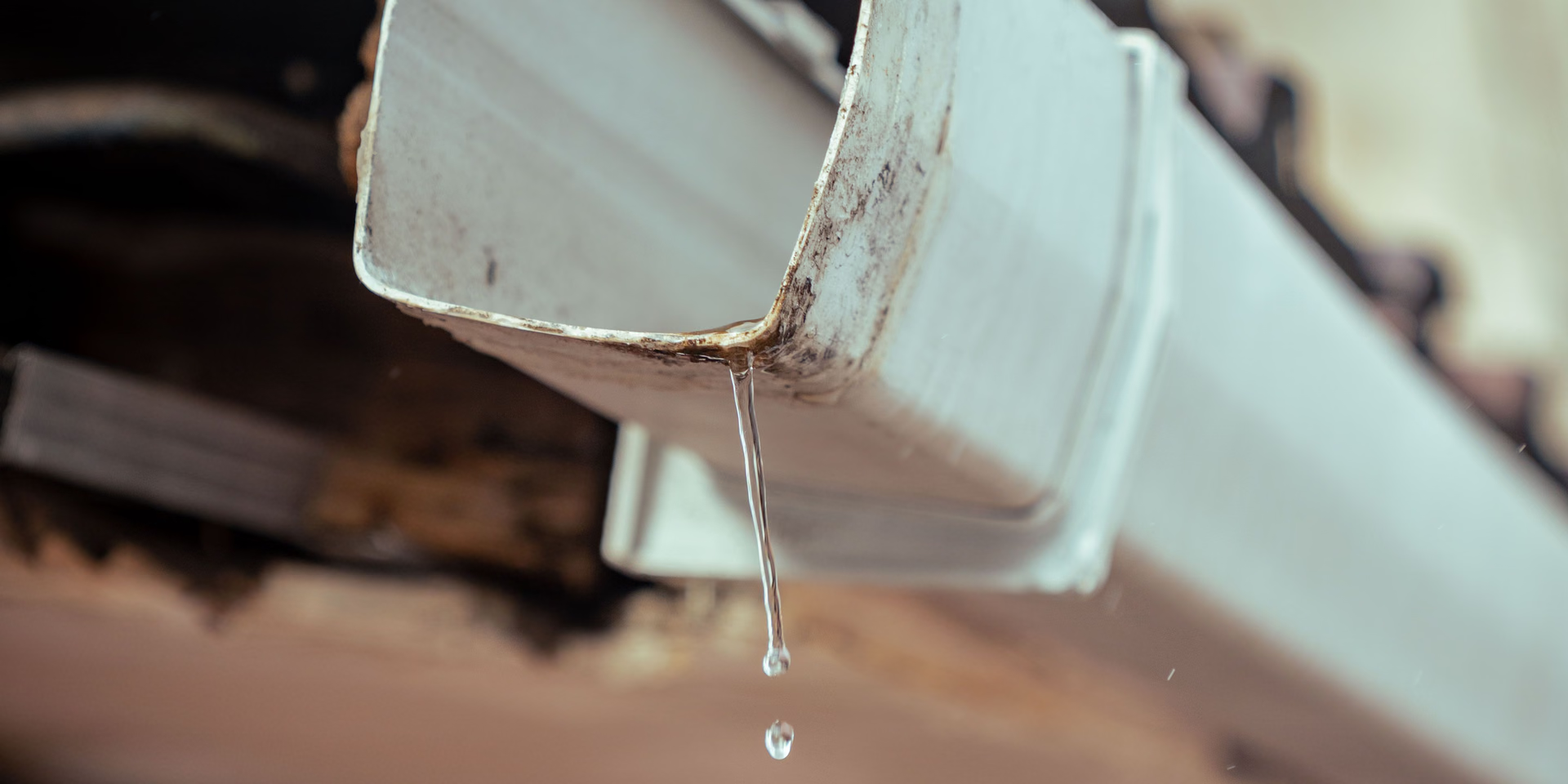
The next rainy day can help you understand something about your home that’s harder to see in dry weather: where the water actually goes.Does it travel through the gutter and away from the building? Spill over beside a wall? Collect near the garage? Leave a new mark indoors? For Bay Area homeowners, those observations can give a professional a clearer starting point when investigating a concern.You don’t need to diagnose the building yourself. I’d start with a safe look, a few photos and specific notes.

Start before the rain

Walk around the areas you can safely reach from the ground. Notice where downspouts end, where accessible drains are located and which spots have caused problems before. Take photos from positions you can use again later.Have a qualified professional handle roof access, high gutters and damaged components. Keep inaccessible areas on your follow-up list.

Look at the whole route

During ordinary rain, observe from a sheltered, safe location. Watch for water escaping at gutter joints, running down exterior walls or collecting beside doorways.Describe what happened and when. “Water collected beside the garage during the rain and remained there the next morning” gives someone more to work with than “the drainage seems bad.”Before changing a downspout, grading or drain, confirm the appropriate discharge route and any required approvals. In a shared building, ask management which areas the association maintains and how to report concerns.

Check indoors, too

Look at accessible ceilings, window edges and baseboards. Record new stains, bubbling finishes, damp materials or a recurring musty smell. Note whether the condition changes with rain or with activities inside the home.A stain’s location doesn’t establish where water entered. Have the cause investigated before choosing a cosmetic repair.EPA guidance emphasizes fixing water problems and drying wet materials promptly. It recommends drying water-damaged areas and items within 24 to 48 hours to help prevent mold growth. The water’s condition and the affected materials help determine who should handle the work.

Keep a useful repair record

Save photos, written findings, estimates, invoices and follow-up instructions together. Ask what work is proposed, what remains uncertain and how performance should be checked afterward.If you arrange a service visit, share the photos and timing notes beforehand. Point out which conditions are new and which have happened before. Ask the professional to distinguish the observed problem, the suspected cause and any further investigation needed. After the work, keep those findings with the invoice and follow-up instructions. That way, a future service visit can build on the record instead of starting over from memory.Stay out of floodwater and water near electrical equipment. Follow official alerts and evacuation instructions when conditions become dangerous.My practical takeaway is simple: follow the water before choosing the repair. A clear observation won’t replace a professional assessment, but it can make that conversation more useful.Austin Cheng | Sequoia Real Estate | CA DRE #02050279General homeowner education. Property conditions and repairs require assessment by the appropriate qualified professionals.Photo: Zeynep Sude Emek / Pexels. Illustrative stock photograph.
#homeownership#homemaintenance#realestate