
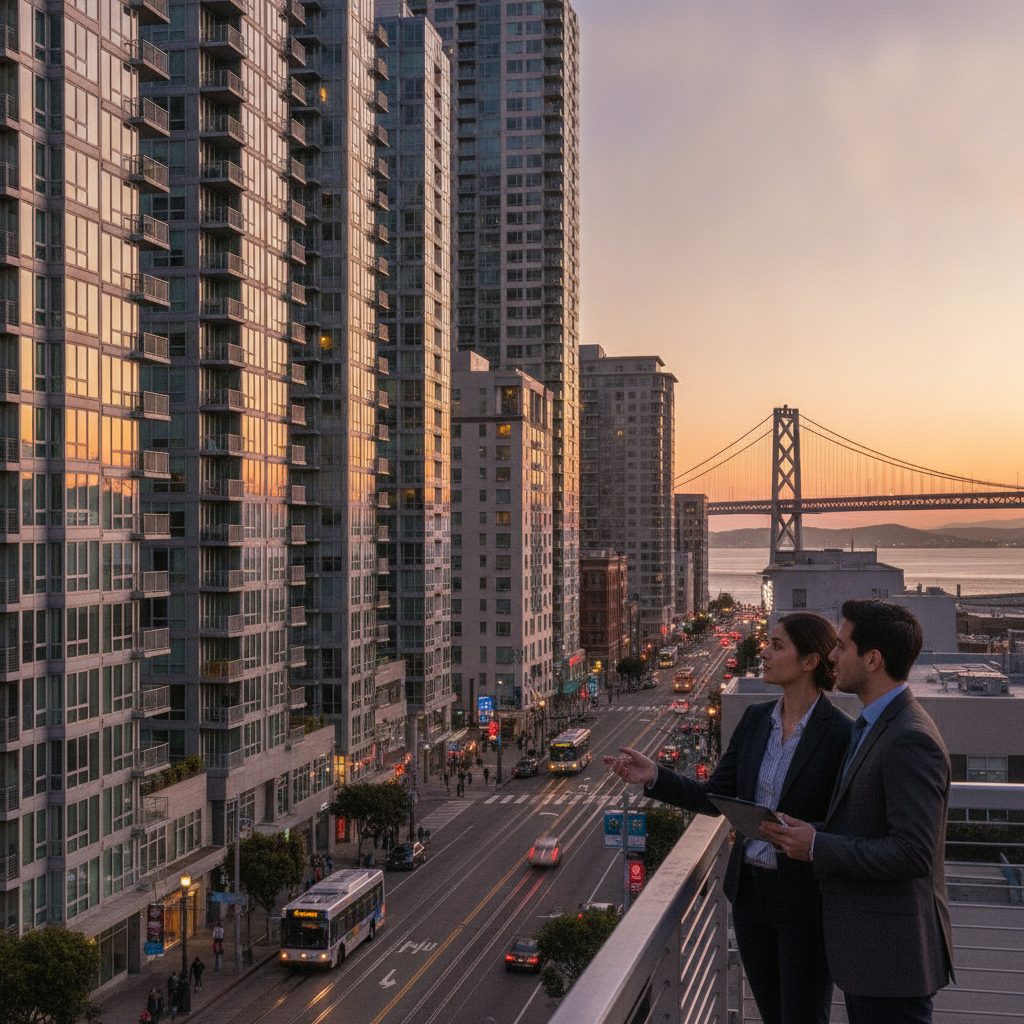
How soaring rents and AI tech jobs reignited condo demand
The rapid acceleration of San Francisco rental rates has eliminated the price buffer that previously kept prospective buyers on the sidelines. In neighborhoods like SoMa, South Beach, and Mission Dolores, prospective buyers who watched one-bedroom and two-bedroom rents escalate by 25 percent year-over-year are recalculating their housing budgets. In San Francisco, where local rent control under the Rent Ordinance protects only multi-unit properties constructed before June 1979, tenants in newer high-rise buildings face uncapped annual rent hikes. For many households living in post-1979 condominium buildings, purchasing a home provides long-term housing cost predictability that tenancy cannot match.Meanwhile, the expansion of artificial intelligence firms in districts such as the Mission, Potrero Hill, and Downtown has established a concentrated pool of purchasers with liquidity from compensation packages and equity events. Unlike suburban markets in Contra Costa or Alameda County, where buyers prioritize lot acreage and private yards, these urban buyers prioritize proximity to transit lines, dining corridors along Valencia Street or Union Street, and buildings that offer turnkey spaces with dedicated home office setups.This concentration of capital has compressed market timelines dramatically. Properties that present well are moving through inspection periods and contingencies in days rather than months, reflecting an urgent push from professionals determined to secure housing near their workplaces before listing inventory thins further.Why 70 percent of San Francisco condos now clear their asking price
San Francisco pricing strategy operates on distinct mechanics that confuse buyers unfamiliar with local custom. In neighboring markets such as Marin County or the Peninsula, properties frequently list close to their intended settlement price. In San Francisco, listing agents routinely deploy an artificial low-pricing model, establishing an asking figure 10 to 20 percent below comparable market value to spark multiple bidding rounds and secure non-contingent offers.Under current conditions, 70 percent of condominiums across San Francisco are selling above their initial asking price. In the single-family sector, competitive bidding is even more aggressive, with 92 percent of single-family homes trading for more than the seller listed them for. Both property classes now share a median days on market of just 14 days, demonstrating how quickly qualified buyers mobilize when a well-positioned property appears on the Multiple Listing Service.Several local dynamics govern this competitive environment and distinguish San Francisco from adjacent Bay Area jurisdictions:- Transparent offer dates: Listing agents set a designated calendar day for receiving offers, usually within seven to ten days of the first weekend open house, concentrating competing buyers into a single deadline.
- Non-contingent bidding norms: Because standard property disclosures, HOA documents, and structural inspection reports are supplied before the offer date, buyers routinely waive appraisal and financing contingencies to prevail in multiple-offer situations.
- Tiered municipal transfer taxes: San Francisco levies a transfer tax that starts at 0.68 percent for properties under $1,000,000 and jumps to 0.75 percent for sales between $1,000,000 and $3,000,000, reaching 2.25 percent between $3,000,000 and $5,000,000. These transfer tax jumps directly influence how buyers and sellers negotiate final contract amounts near bracket boundaries.