
The Facts Behind the 2,500-Home Announcement
Waterford Property Co. stated an intention to deliver up to 2,500 homes across Santa Clara County over a five-year period. The firm expressed a corporate ambition to establish itself as the largest affordable housing developer and investor on the West Coast. While that headline figure signals substantial capital interest in South Bay residential development, buyers must recognize that broad projections are strategic targets rather than a portfolio of finalized builds.Outside of the initial parcel in Milpitas, public filings have not yet confirmed specific addresses, municipal partners, or site acquisitions for the remainder of those 2,500 units. Furthermore, developer disclosures have not settled the precise split between multi-family rental complexes and deed-restricted homeownership units. In local land use, regional projections remain speculative until projects appear on municipal planning agendas with environmental reviews and funding allocations attached.What Is Actually Under Construction in Milpitas
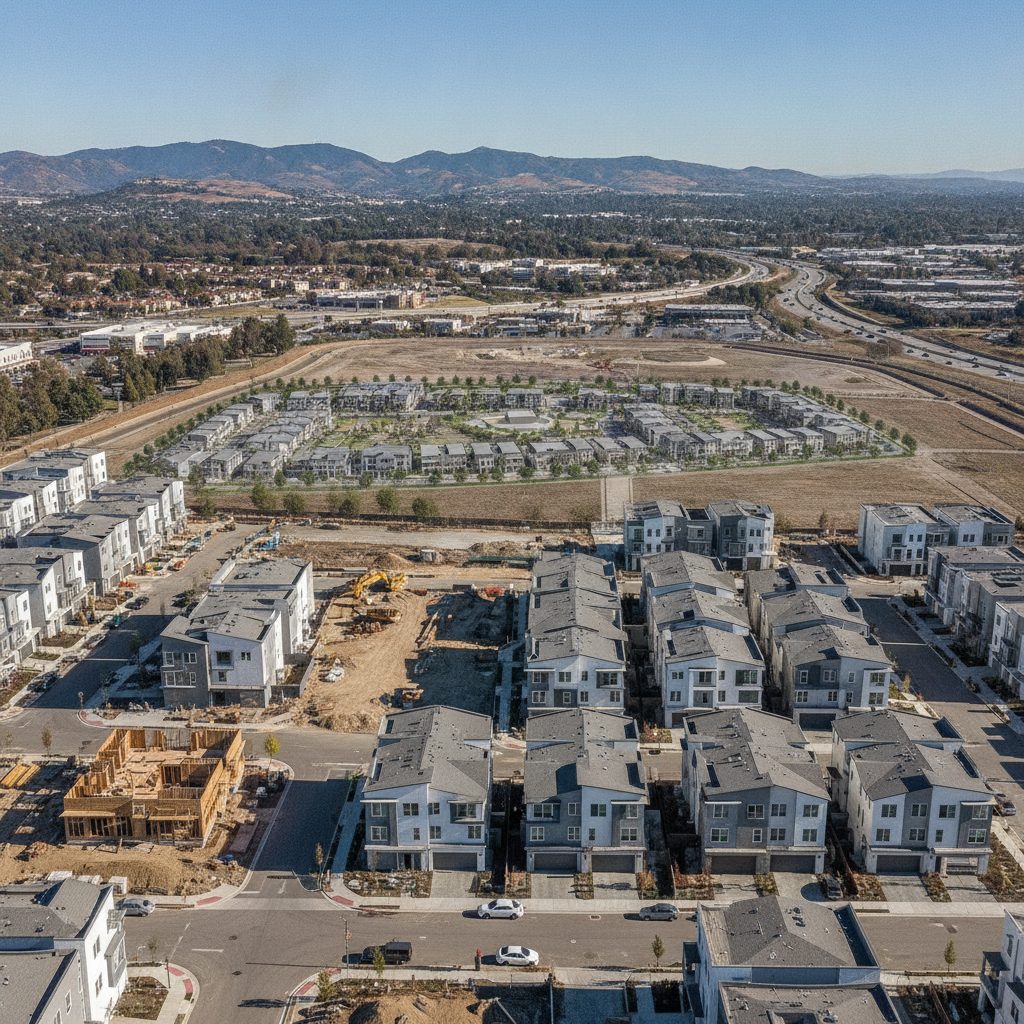
The tangible element of Waterford's plan centers on a single project currently under construction at 1397 California Circle in Milpitas. This property consists of a 75-unit affordable residential building aimed at local families earning between 30% and 70% of the area median income (AMI). Project delivery estimates place completion in early 2028, though certain industry reports suggest construction schedules could stretch toward the end of that calendar year.There is a critical distinction that prospective property buyers must understand: the 75 units at 1397 California Circle are restricted rental apartments, not homes available for purchase. The building sits inside a wider master-planned development footprint that includes market-rate for-sale residences built by PulteGroup. Those adjacent PulteGroup homes are market-rate properties without the income restrictions or affordability subsidies governing Waterford's rental building.A Verification Checklist for Announced Housing Projects
Before reshaping personal finances or lease commitments around housing press releases, evaluate any proposed development against these operational criteria:- Check municipal entitlements: A developer announcement is not an entitlement. Inspect Milpitas Planning Commission and City Council agendas to confirm whether a project holds approved site development permits, environmental clearance, and zoning variances.
- Confirm construction status: Groundbreaking is the primary milestone separating speculative concepts from genuine delivery pipelines. The California Circle site is active, but the remainder of the 2,500 regional units have not broken ground.
- Track completion timelines: Residential construction in the Bay Area frequently encounters supply chain revisions, inspection milestones, and utility connection schedules. A completion target of early 2028 can easily move back six to twelve months.
- Identify ownership structure: Many subsidized projects deliver rental units to satisfy local low-income housing mandates. Clarify immediately whether a parcel provides for-sale condominiums, townhomes, or restricted rental apartments.
- Review qualification formulas: Below-market programs rely on strict Area Median Income tables published annually by the California Department of Housing and Community Development (HCD). Household size, total gross income, and asset caps dictate who can apply.
- Verify official intake channels: Applications for subsidized housing do not run through informal channels or social media solicitations. Wait for verified application portals managed directly by the developer, the city, or established regional housing administrators.