

1. Why Zoning Now Plays a Bigger Role in Buyer Conversations
Traditionally, buyers focus on price, monthly payments, school districts, and the condition of the home. However, the zoning update shines a spotlight on how buyers can actually use the property they’re purchasing. For example, if you work from home, plan to run a business onsite, need space for extended family, or have future development plans, zoning rules determine whether those plans are feasible. Asking these questions before writing an offer is essential to avoid surprises after moving in.From my experience as a real estate agent in Elk Grove and Sacramento, I’ve noticed that buyers who understand zoning early make more confident decisions and avoid costly delays. It’s no longer enough to think about bedrooms and square footage alone, how local zoning laws shape property use is just as important.2. Home-Based Business Rules: More Important Than Ever
With more people working remotely or running small businesses from home, zoning rules affecting home-based businesses have become increasingly relevant. Sacramento County’s new code adjusts regulations around what kinds of home businesses are allowed and sets clearer boundaries on employees, customer visits, parking, signage, and hours of operation.Because of my background in technology and entrepreneurship, I view homes differently than just places to sleep. They are workspaces, creative studios, and business hubs for many buyers. The zoning update reflects this reality but also places necessary limits to keep neighborhoods comfortable and safe.
- Limits on the number of non-resident employees allowed at a home business
- Restrictions on customer or client visits to prevent traffic disruptions
- Rules on signage to maintain neighborhood aesthetics
- Parking requirements to avoid overcrowding curbside spaces
3. Parking: A Small Detail With Big Impact
Parking might seem like a minor consideration, but it can significantly influence how a property functions day-to-day. The new zoning code clarifies parking requirements in ways that reflect real household needs and neighborhood conditions.Simply having a two-car garage no longer tells the whole story. I ask clients how many vehicles they own, whether the garage space will be repurposed for a gym or office, and whether street parking is readily available or restricted. Additionally, zoning changes that allow new commercial or multi-family developments nearby can increase parking demand, altering the neighborhood’s feel and convenience.Understanding parking implications early helps buyers avoid surprises like limited guest parking or crowded streets, which can affect daily life and even resale value.4. Flexibility in Zoning Can Add Value, but Not Automatically
The updated zoning code introduces more flexibility in some areas, such as allowing greater building heights, permitting childcare centers, or expanding home business options. This flexibility can make certain properties more appealing by opening up new possibilities for use and development.However, it is important not to assume that zoning changes will automatically increase your property's market value. Market value depends on what buyers are willing to pay, which is influenced by feasibility, construction costs, neighborhood character, and buyer demand.For example, a property that now allows an additional story might theoretically support an expansion, but if the cost of construction or neighborhood restrictions are prohibitive, that potential may not translate into higher offers.5. Check Zoning Early When You Have Plans for the Property
One of the biggest mistakes in real estate transactions is assuming that just because something physically fits on your property, it is allowed by zoning. Whether you plan to build an addition, start a home business, operate childcare, or convert the space for another use, zoning is only one part of the approval puzzle.I always recommend clients complete zoning due diligence early in the process. This includes verifying details directly with Sacramento County’s planning department to understand any restrictions or required permits. Doing so prevents costly surprises after closing.Sellers benefit from resolving any questions about existing improvements or uses before listing. This proactive approach avoids delays during escrow and builds buyer confidence.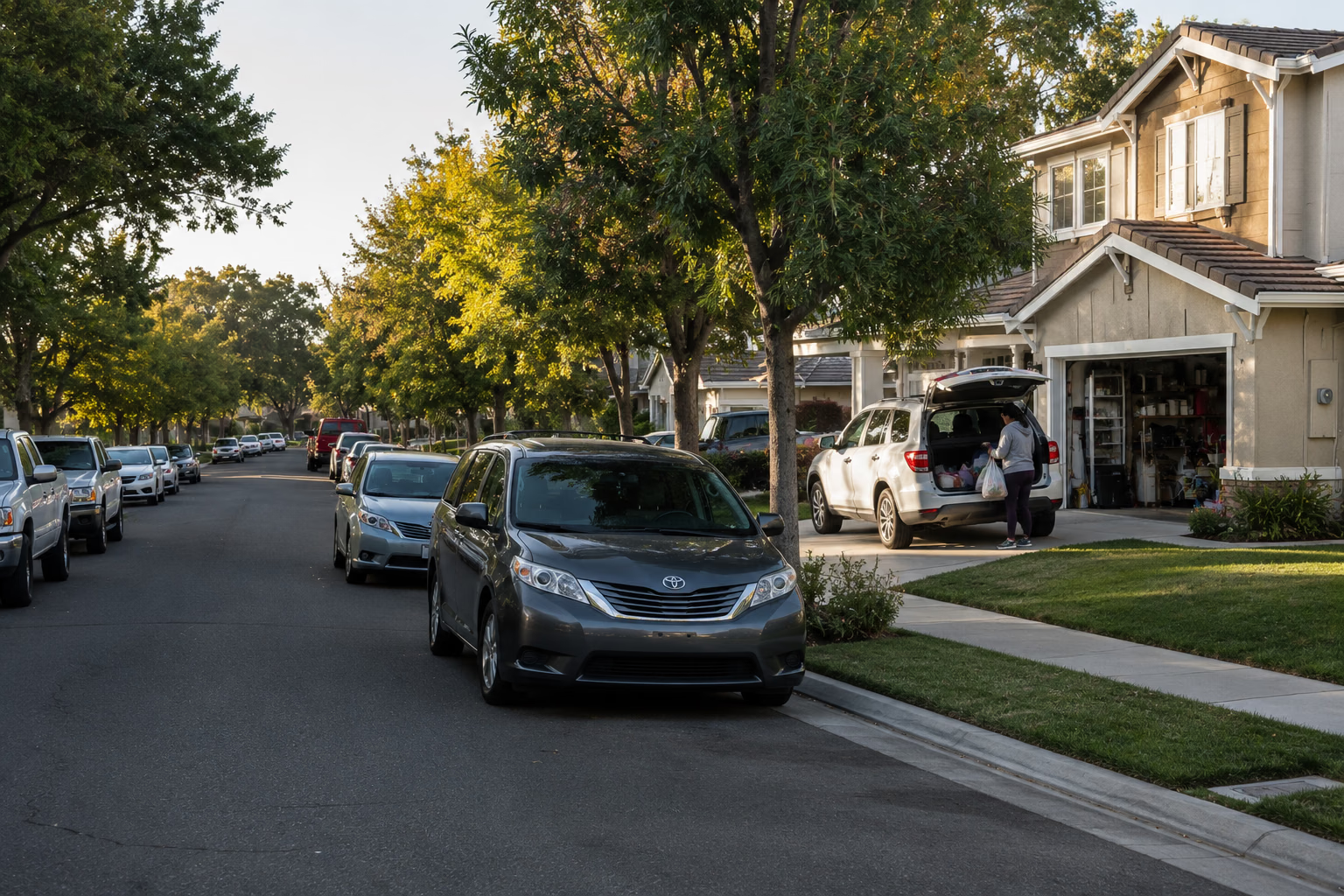
Putting It All Together: What This Means for You
Sacramento County’s zoning overhaul in August 2026 isn’t just a bureaucratic update. It’s a practical guide to what you can actually do with a property you’re buying or selling. As a local agent specialized in Elk Grove and Sacramento, I bring perspective that goes beyond reading the zoning ordinance. I help buyers and sellers understand how these rules translate to real-world use, value, and transaction timelines.If you’re buying, ask about zoning early, especially if you have plans for a home office, business, or expansion. If you’re selling, clarify zoning questions upfront to avoid surprises and delays. Doing so will help you make confident decisions in this evolving market.For more details, you can review Sacramento County’s official zoning update here: https://www.saccounty.gov/us/en/articles/2026-articles/more-than-you-think-what-sacramento-countys-recent-zoning-code-c.html"“Understanding zoning is no longer optional; it’s essential for making informed real estate decisions in Sacramento County.” – Joseph Lee, Elk Grove Real Estate Specialist"