
Innovation Park: A Mixed-Use Vision for North Natomas
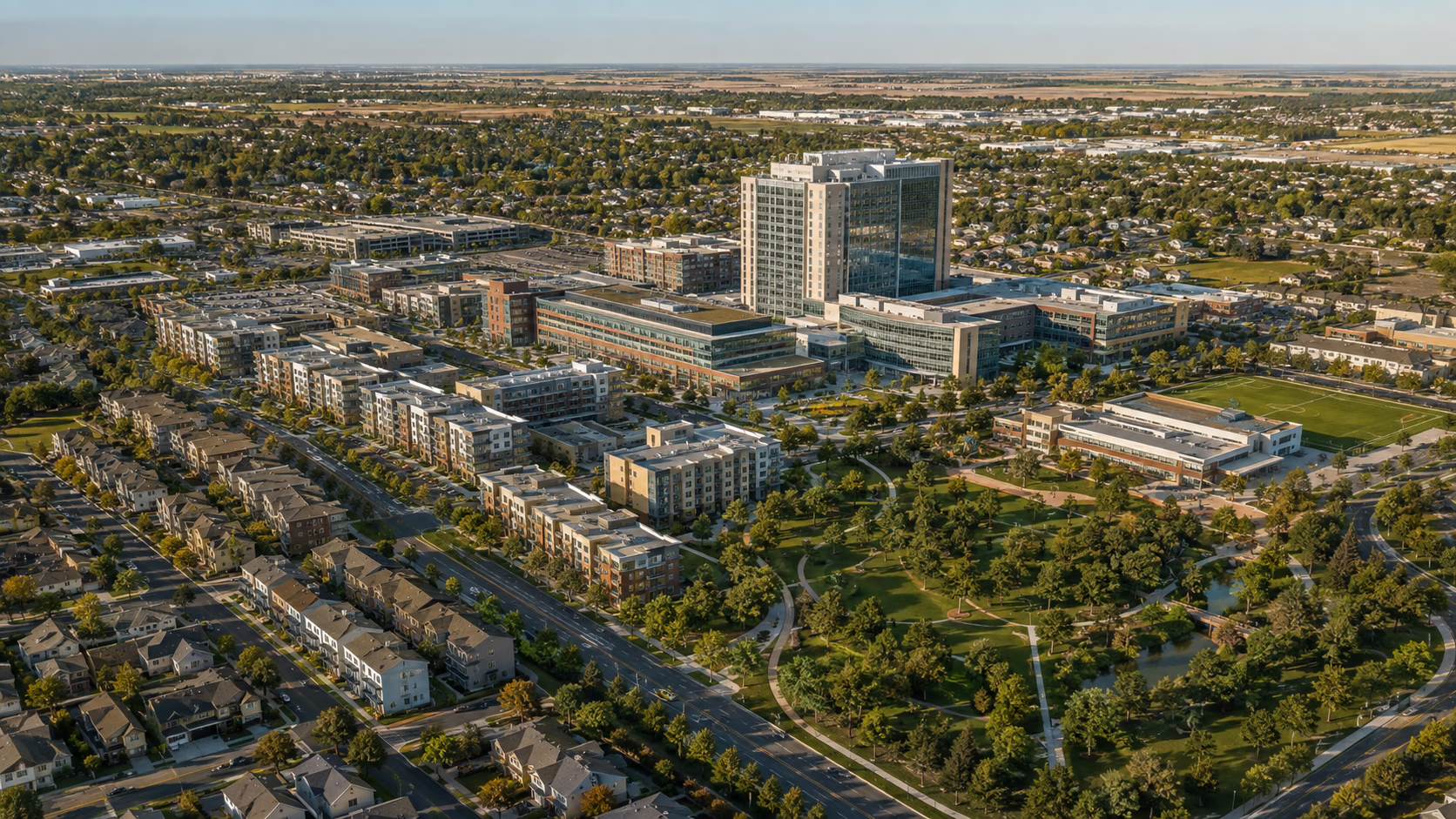
The Innovation Park project proposes a bold mixed-use redevelopment integrating residential, healthcare, education, retail, and open space. It aims to move North Natomas beyond a primarily suburban residential area toward a more complete, walkable community with diverse housing options and employment opportunities. Key components of the plan include approximately 2,500 homes spanning single-family residences, townhomes, condominiums, and apartments, with a mix of market-rate and affordable units. The centerpiece is a California Northstate University medical campus anchored by a 14-story, 730,000-square-foot teaching hospital, accompanied by medical offices, research laboratories, student housing, and senior care facilities.Additional amenities include a K–8 public school, roughly 24 acres of parks and open spaces, retail shops, restaurants, office spaces, and community-serving businesses. Planned infrastructure improvements such as new roads, bike lanes, pedestrian pathways, and public plazas will enhance connectivity within the site and link it to adjacent neighborhoods.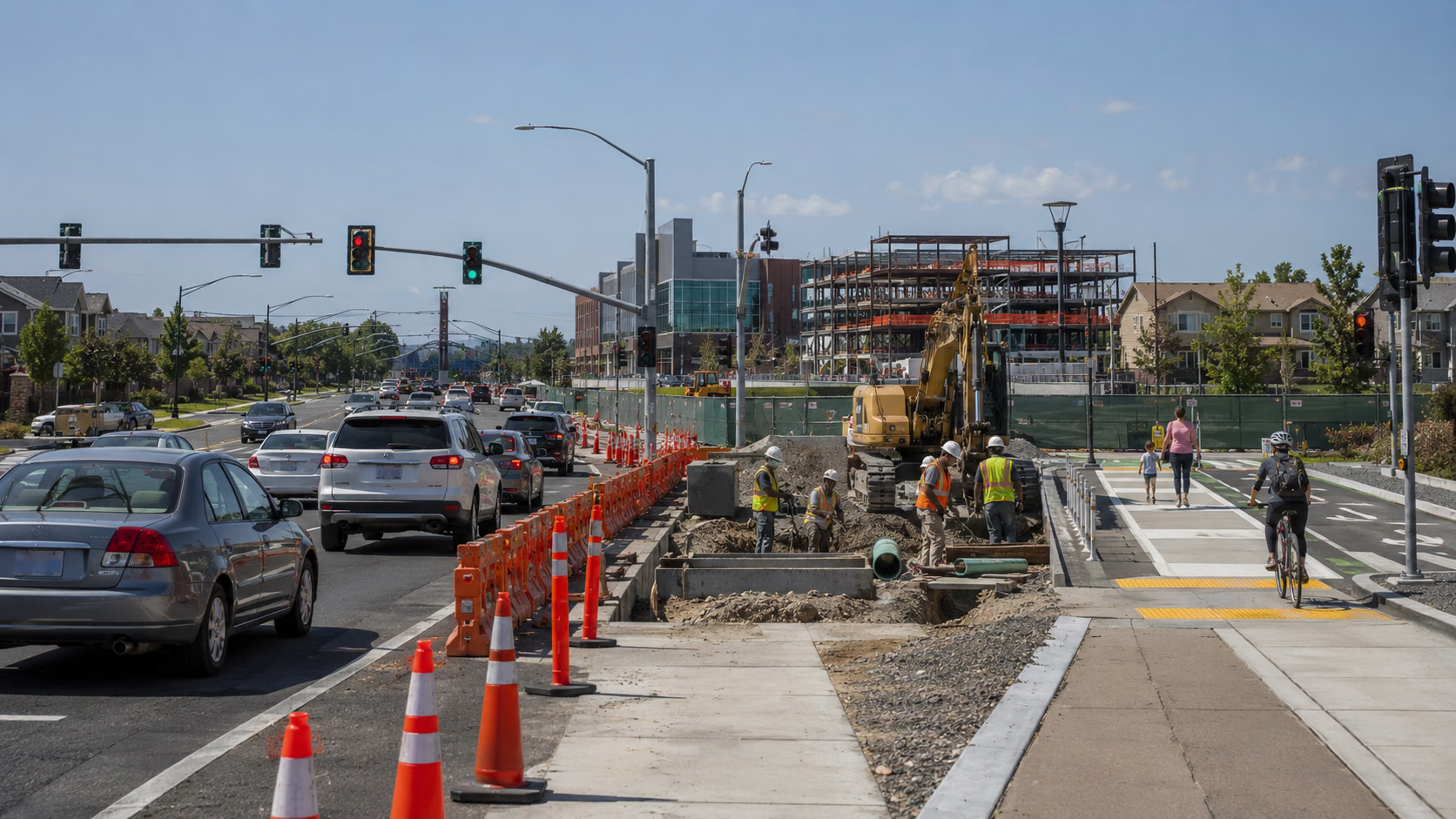
Employment Growth: A Major Shift for North Natomas
North Natomas currently functions mainly as a residential community, with many residents commuting to downtown Sacramento, Roseville, or even the Bay Area for work. Innovation Park’s medical campus and associated research facilities could become a significant local employment magnet, providing new jobs for healthcare professionals, researchers, educators, and support staff. This shift may reduce commuter traffic and encourage more residents to work near home.- Physicians, nurses, and medical technicians
- University professors, researchers, and administrative staff
- Students and clinical trainees
- Service providers such as childcare, retail, and restaurants
Revitalizing Retail and Commercial Amenities
Thousands of new residents, medical staff, students, and visitors will increase daytime activity in North Natomas, presenting an opportunity to breathe new life into existing commercial corridors along Arena Boulevard, Truxel Road, Del Paso Road, and East Commerce Way. Retailers, restaurants, fitness centers, grocery stores, and childcare providers stand to benefit from a larger and more consistent customer base throughout the day.This broader daytime demand distinguishes Innovation Park’s impact from typical residential growth, which often peaks in mornings, evenings, and weekends. If commercial development keeps pace with residential and medical facilities, North Natomas could evolve into a more self-sufficient neighborhood with fewer residents needing to leave for basic services.Expanding Housing Supply and Complexity of Affordability
With 2,500 new homes planned, Innovation Park will significantly increase housing supply in North Natomas. The project’s housing mix, ranging from apartments to single-family homes, aims to accommodate first-time buyers, renters, medical professionals, students, seniors, and families seeking modern construction and walkable amenities.While earlier plans suggested around 10% of units would be affordable housing, final details remain fluid. The proposed EIFD financing structure anticipates allocating approximately 20% of tax-increment revenue toward affordable housing initiatives, though that does not guarantee 20% of the homes will be affordable. This distinction is important for buyers and investors to understand.New housing near a major medical and employment center often commands a price premium, meaning the neighborhood’s affordability profile might improve in variety but not necessarily in lower costs. Buyers should weigh these factors carefully when considering real estate investments in and around Innovation Park.Impact on Nearby Home Values: Opportunities and Cautions
Redevelopment projects with a mix of new housing, jobs, parks, and retail can boost surrounding property values by activating previously vacant land and improving local amenities. North Natomas homes within convenient distance to Innovation Park’s retail, public spaces, and medical campus may see appreciation driven by enhanced convenience and neighborhood identity.However, not all properties will benefit equally. Homes adjacent to busy roads, hospital entrances, or construction zones might experience traffic, noise, or disruption that could temper value gains. Prospective buyers should assess factors such as proximity to new infrastructure, potential construction timelines, and whether critical components like the hospital are fully funded and scheduled."“The disciplined way to evaluate a nearby property is not to say, ‘The new development will make everything worth more,’ but to ask what will be built closest to this specific home and how it will affect convenience, traffic, competition, and timing.”"