
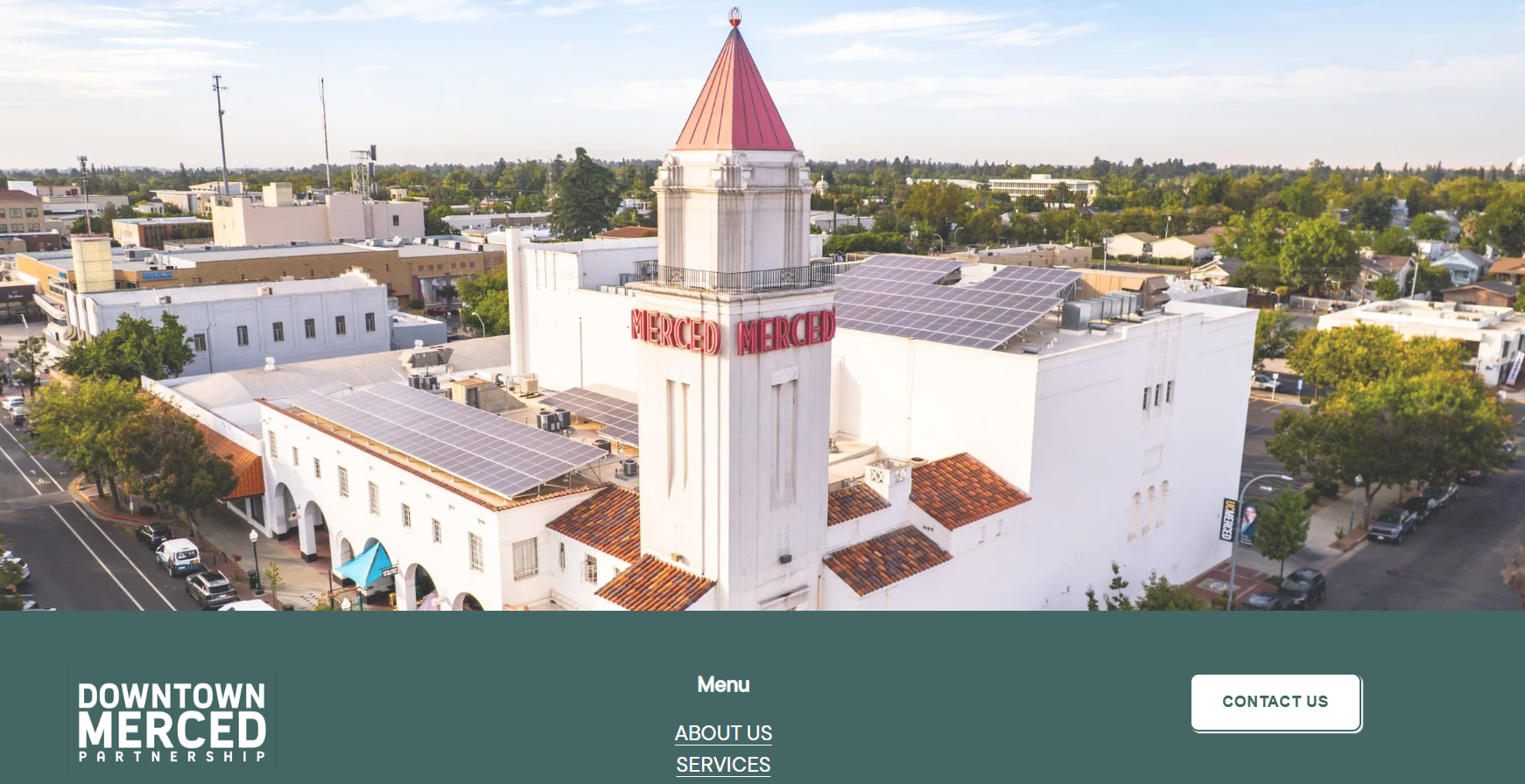
Why Downtown Merced Utility Rates Differ from Surrounding Counties
Operating expenses directly determine the viability of commercial and multi-family real estate, and Downtown Merced maintains a specific utility rate structure that sets it apart from adjacent municipalities. Parcels located inside the City of Merced municipal limits fall within the electric service boundary of the Merced Irrigation District (MID). In contrast, properties across Madera County to the south and rural Stanislaus County to the north receive power from Pacific Gas and Electric (PG&E). Commercial and residential electric schedules under MID generally offer lower base kilowatt-hour rates than PG&E territories, reducing summer cooling expenses during the prolonged triple-digit heat typical of the San Joaquin Valley.Municipal closing expenses also follow predictable formulas. Under the California Revenue and Taxation Code, counties and cities are authorized to assess documentary transfer taxes on real property sales. In Merced County, sales are generally subject to the statutory documentary transfer tax rate of $1.10 per $1,000 of transferred value, without an additional graduated municipal tax layer imposed by the City of Merced. However, because local transfer assessments, recorded parcel charges, and special utility liens vary depending on municipal code provisions and the legal structure of an acquisition, buyers must verify all applicable transfer taxes and closing obligations directly with a title company, closing agent, or tax professional.How Highway 140 Tourism Shapes Commercial Local Amenities
Merced serves as the traditional western rail and vehicle gateway to Yosemite Valley, and downtown commercial sustainability depends on intercepting travelers moving between the San Francisco Bay Area and the Sierra Nevada foothills. State Route 99 intersects Highway 140 on the southern edge of town, funneling regional traffic directly through the 16th Street and 17th Street corridors. Commercial properties within this corridor draw revenue from a dense cluster of dining and retail local amenities, creating a self-contained hospitality hub that performs differently from car-centric shopping plazas on Olive Avenue.The commercial district between Martin Luther King Jr. Way and G Street functions as an integrated retail district. Visitors staying at the boutique El Capitan Hotel walk directly to regional restaurants, beverage outlets, and entertainment venues without driving:- Entertainment and casual dining destinations such as the historic Mainzer theatre, Destinos, and Pretty Good Burger.
- Social venues and neighborhood staples including Friends House, Little Oven wood-fired pizza, and the Joystick retro arcade bar.
- Morning cafes and evening taprooms such as Bella Luna bistro, Toni's Cafe, Hola Cafesito, Una Mas Taproom, and the outdoor seating at Tioga Tap Room.