
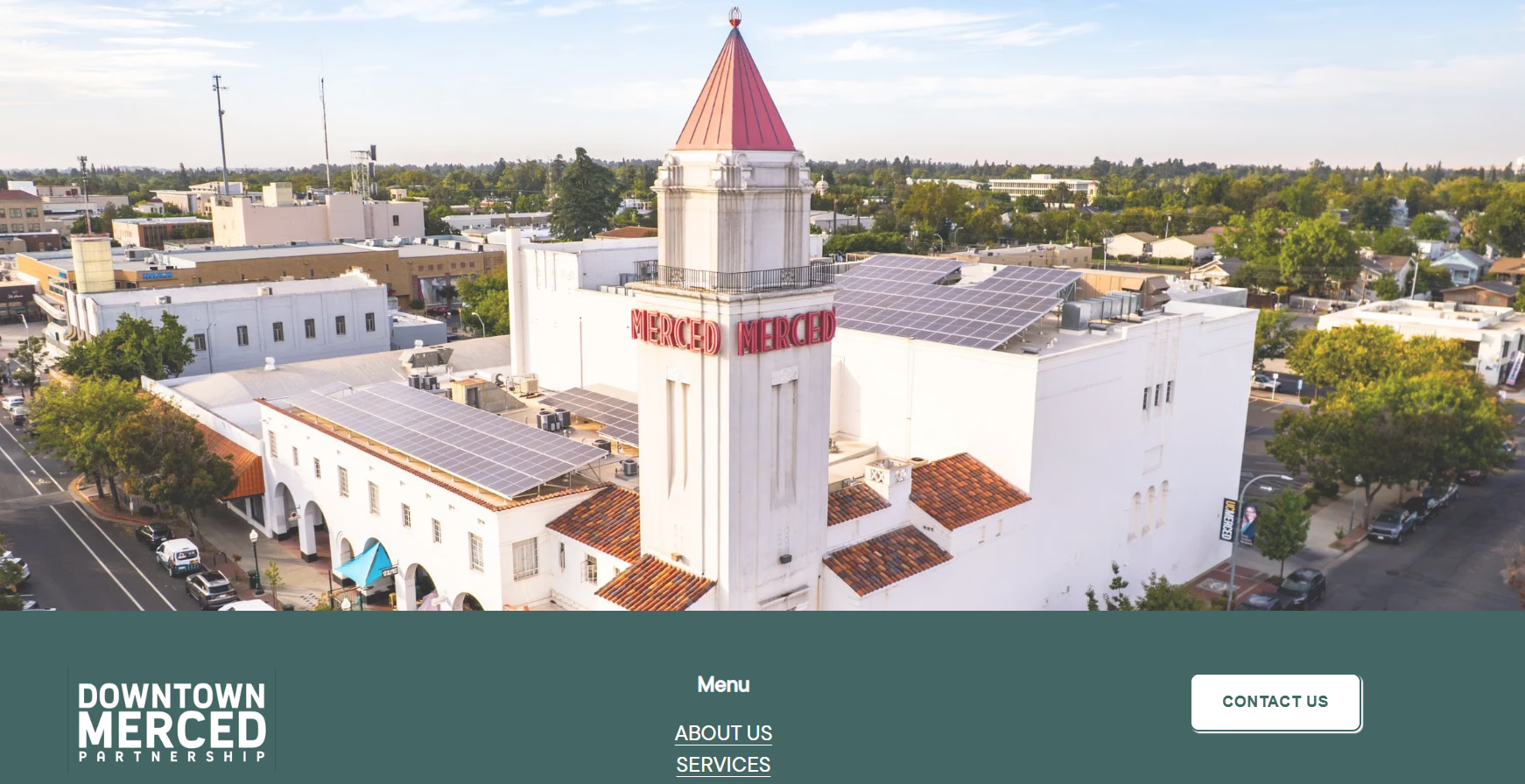
Real Estate Dynamics in Downtown Merced, California

Real Estate Dynamics in Downtown Merced, California
Acquiring Downtown Merced real estate places property owners in an urban pocket that differs fundamentally from the master-planned tracts of Bellevue Ranch or modern developments along Yosemite Avenue. While outer subdivisions rely on standard single-family configurations, the downtown core between Highway 99 and 18th Street functions on mixed-use commercial districts, historic preservation guidelines, and pedestrian infrastructure. Anchored by the University of California, Merced Downtown Campus Center at 18th and N Streets and the historic El Capitan Hotel at Main and M Streets, this grid presents distinct turnover patterns, pricing structures, and regulatory considerations that do not apply to outer suburban neighborhoods.

Why Main Street commercial vitality is shifting residential property values

The concentration of hospitality venues and dining rooms along Main Street between Martin Luther King Jr. Way and G Street has altered residential valuation across the immediate core. Parcels within five blocks of Main Street frequently spend less time on the market than homes in older subdivisions located south of the railway tracks. Proximity to dining and entertainment provides a distinct pricing foundation that counterbalances the maintenance requirements of the housing stock, where many residential structures date from the 1920s through the 1940s.A primary anchor of this foot-traffic pattern is the restored Mainzer theatre at 655 West Main Street, an art deco entertainment venue paired with dining at Pretty Good Burger. Directly across the street, Bella Luna Bistro provides regional Italian dining, alongside Destinos for regional Mexican cuisine. Daily foot traffic is reinforced by essential local-amenities that serve core residents: morning espresso at Hola Cafesito, courtyard dining at Toni's Cafe, wood-fired pizzas at Little Oven, and evening gatherings at Friends House.Evening activity stretches across several adjacent blocks due to craft beverage venues such as Una Mas Taproom, the Tioga Tap Room operated by Tioga-Sequoia Brewing Company, and Joystick, an arcade bar on Main Street. In suburban North Merced, home valuation correlates closely with gross square footage, lot acreage, and multi-car garage capacity. In the downtown grid, however, residential parcels on 19th, 20th, and 21st Streets often command higher per-square-foot prices despite compact lots and single-car driveways because residents prioritize walking distance to this commercial corridor over private yard space.

How the Highway 140 corridor and Yosemite traffic shape lodging regulations

Downtown Merced serves as a major staging point for travelers along California State Route 140, also known as Yosemite Parkway, located roughly 75 miles from the Arch Rock Entrance of Yosemite National Park. Because Highway 140 provides the lowest-elevation, all-weather route into the national park, international and regional travelers consistently stop in Merced before ascending into the Sierra Nevada foothills. This transit corridor creates steady seasonal lodging demand, prompting buyers to examine hospitality and residential rental possibilities throughout the neighborhoods bordering M and N Streets.Operating residential rental properties near this transit spine requires understanding municipal regulatory structures, which vary significantly from neighboring municipalities. For example, Mariposa County enforces strict administrative limits on unhosted transient rentals to preserve baseline housing supply, while the City of Fresno employs an explicit residential registry tier system. In Merced, short-term rentals are governed by municipal code provisions that include transient occupancy taxes and standard business licensing requirements.Prospective operators must evaluate these municipal rules with qualified advisors rather than assuming standard residential leases apply. Key areas that property owners typically review with the City of Merced Planning and Finance Divisions include:
  • Verifying whether a parcel's underlying zoning designation permits commercial short-term occupancy under the current municipal code.
  • Confirming current Transient Occupancy Tax registration, reporting procedures, and applicable local rate schedules with the city finance department.
  • Scheduling mandatory life-safety and building code inspections, focusing on primary egress, smoke detection, and structural separation in older residential frames.
  • Reviewing street-parking restrictions and on-site stall expectations to avoid vehicular congestion on narrow residential side streets.
When deciding between short-term visitor hosting and mid-term furnished leases, investors must weigh seasonal vacancy patterns against management overhead. Highway 140 tourism drops during late autumn and mid-winter, creating seasonal revenue valleys for tourist-oriented operators. Mid-term leases catering to visiting academic researchers, university personnel associated with the UC Merced Downtown Campus Center, or traveling healthcare staff at Mercy Medical Center present different cash flow characteristics. Every property owner should analyze their capital reserves, tax position, and debt obligations with a certified financial planner or tax advisor before committing to either strategy.

What commercial zoning rules mean for upper-floor residential conversions

Parcels surrounding Bob Hart Square at Main and Canal Streets generally fall within commercial classifications such as the C-3 Central Commercial zone. In contrast to suburban residential zones (such as R-1 or R-2) that require deep structural setbacks and dedicated garage parking bays, municipal commercial zoning frameworks often allow property owners to adapt the upper floors of existing multi-story buildings into residential units without adding new off-street parking. This framework makes historic commercial structures along Canal and 17th Streets frequent candidates for upper-level residential conversion.Converting ground-floor retail into residential space, however, involves substantial regulatory hurdles. The City of Merced Planning Commission maintains strict ground-floor commercial and retail continuity standards along Main Street to preserve active street fronts. Buyers evaluating mixed-use conversions should retain a licensed architect and consult land-use legal counsel to inspect fire-separation barriers, seismic retrofit requirements, plumbing stack capacity, and historic preservation ordinances before waiving feasibility contingencies.

How Downtown Merced tax structures and infrastructure affect acquisition budgets

Property tax calculations for Downtown Merced parcels follow general California tax rules, starting with the base 1 percent ad valorem rate established under Proposition 13. Merced County also collects statutory documentary transfer taxes on recorded property transfers. While some charter cities in the state enact higher local transfer taxes, general-law baseline practices apply locally. Buyers should consult the Merced County Assessor-Recorder to confirm baseline assessed values, supplemental assessment calculations, and exact recorded tax line items prior to closing.Downtown core properties generally avoid the substantial Mello-Roos Community Facilities District assessments common to newly built subdivisions in neighboring Central Valley markets like Clovis or Turlock. In newer outer master-planned tracts, special parcel taxes funding new schools, major sewer extensions, and multi-lane arterial roads can add thousands of dollars to an annual tax bill. Downtown Merced core utilities were established decades ago. Downtown parcels may instead participate in localized assessments, such as the Downtown Merced Business Improvement District, which funds street cleaning, lighting, and core enhancements along Main, 16th, and 17th Streets.While special bond assessments may be lower in the core, the age of the infrastructure requires targeted physical due diligence. Structures built before 1960 frequently retain original clay sewer lateral pipes, cast-iron interior plumbing, and legacy electrical panels. During escrow, commissioning a video camera inspection of the private sewer lateral out to the city connection under the street or alley is essential. Repairing a cracked lateral on private property involves clear costs, but uncovering a failed pipe beneath a municipal roadway creates significant unanticipated expenses if discovered after closing.
#downtown#merced#upandcoming#fun#thingstodo#tripadvisor#gatewaytoyosemite#centralvalley#bearcreek#restaurants