Andrew Callejo
PRO
Fast Real Estate
CROLicensed as Kenny TruongLicenseDRE #01861788
Areas served
San Francisco, Burlingame
Languages
English
Contact Andrew
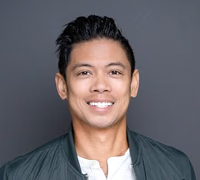
CRO + Co-founder @ catchouse
Andrew is the Chief Revenue Officer and Co-Founder of Catchouse, where he is helping reshape how trust is built, and distributed in the age of AI. As homebuyers increasingly turn to answer engines before engaging an agent, Andrew is focused on ensuring that real human expertise is what gets surfaced.
At Catchouse, he is building a trust graph — a structured layer of human insight that translates an agent’s knowledge, reputation, and lived experience into signals AI can understand and amplify. His work enables agents to move from being searchable to being cited, positioning them where discovery now begins.
Andrew’s philosophy is simple: AI should not replace human judgment — it should scale it. The future belongs to professionals who can turn their expertise into trusted, machine-readable insight.
Articles

One Referral, Five Connections: Why Your Real Estate Agent's Network Is Their Brand
When you hire a great real estate agent, you're not just hiring one person. You're hiring their entire Rolodex. One agent referral typically pulls in five or more downstream connections: a lender, an inspector, a contractor, a stager, a landscaper — sometimes a title officer, a handyman, a cleaner, and an insurance broker on top. That multiplier is the agent's real product. And it's why top agents guard their network the way a chef guards a supplier list.
The 7 Superpowers of Real Estate Agents in the AI Era
AI makes intelligence cheap. It makes lived experience scarce. The agents who win aren't the ones who know the most — they're the ones who have been in the room, walked the block, and earned the trust. These are the seven superpowers AI cannot copy, and the ones that make an agent cited by AI instead of replaced by it.